Elephant Safari in Kaziranga
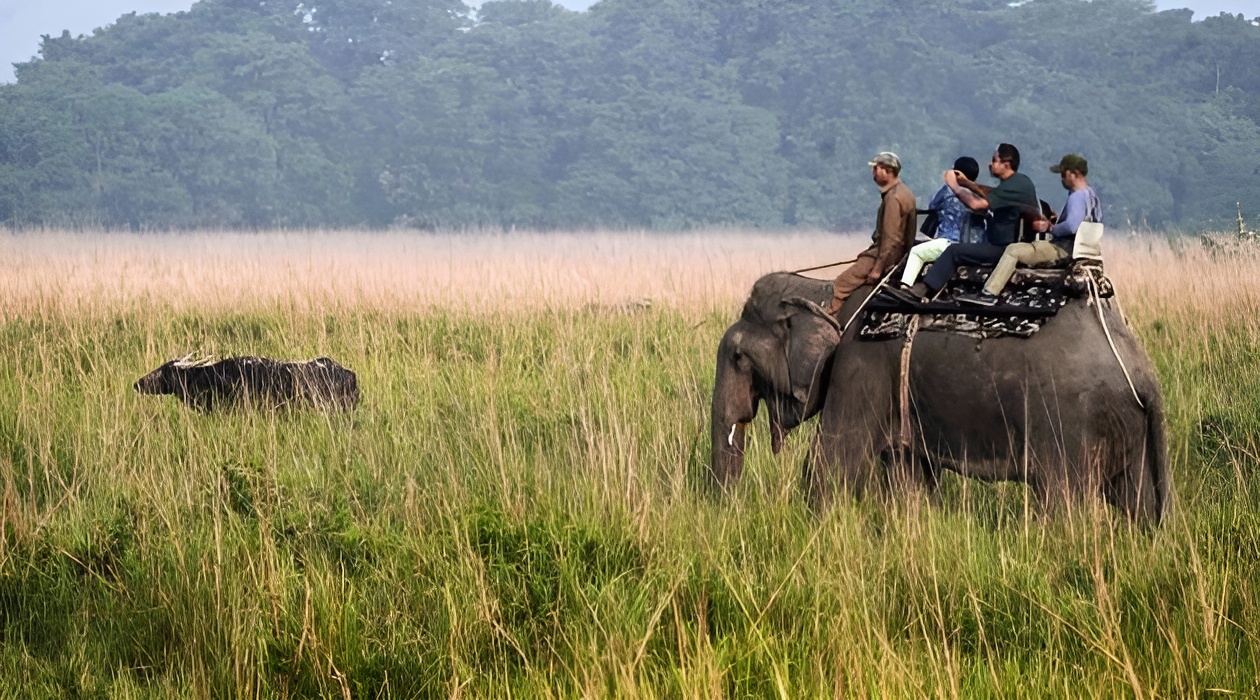
The most iconic and traditional wildlife experience in Kaziranga National Park. Ride atop a magnificent elephant through tall elephant grass and come face to face with the Indian one-horned rhinoceros at just a few metres distance.
Check Availability
Elephant Safari in Kaziranga National Park
Elephant Safari called the 'Ride of the Kings', the elephant safari is one of the most thrilling and unique ways to explore Kaziranga National Park. Sitting atop a gentle giant at a height of nearly 11 feet gives you a completely different perspective of the park, allowing you to spot wildlife across the tall grasslands that would otherwise remain hidden from view. The elephant safari in Kaziranga begins as early as 5:00 AM, which happens to be the ideal time to catch animals at their most active, moving through the misty grasslands in the soft early morning light.
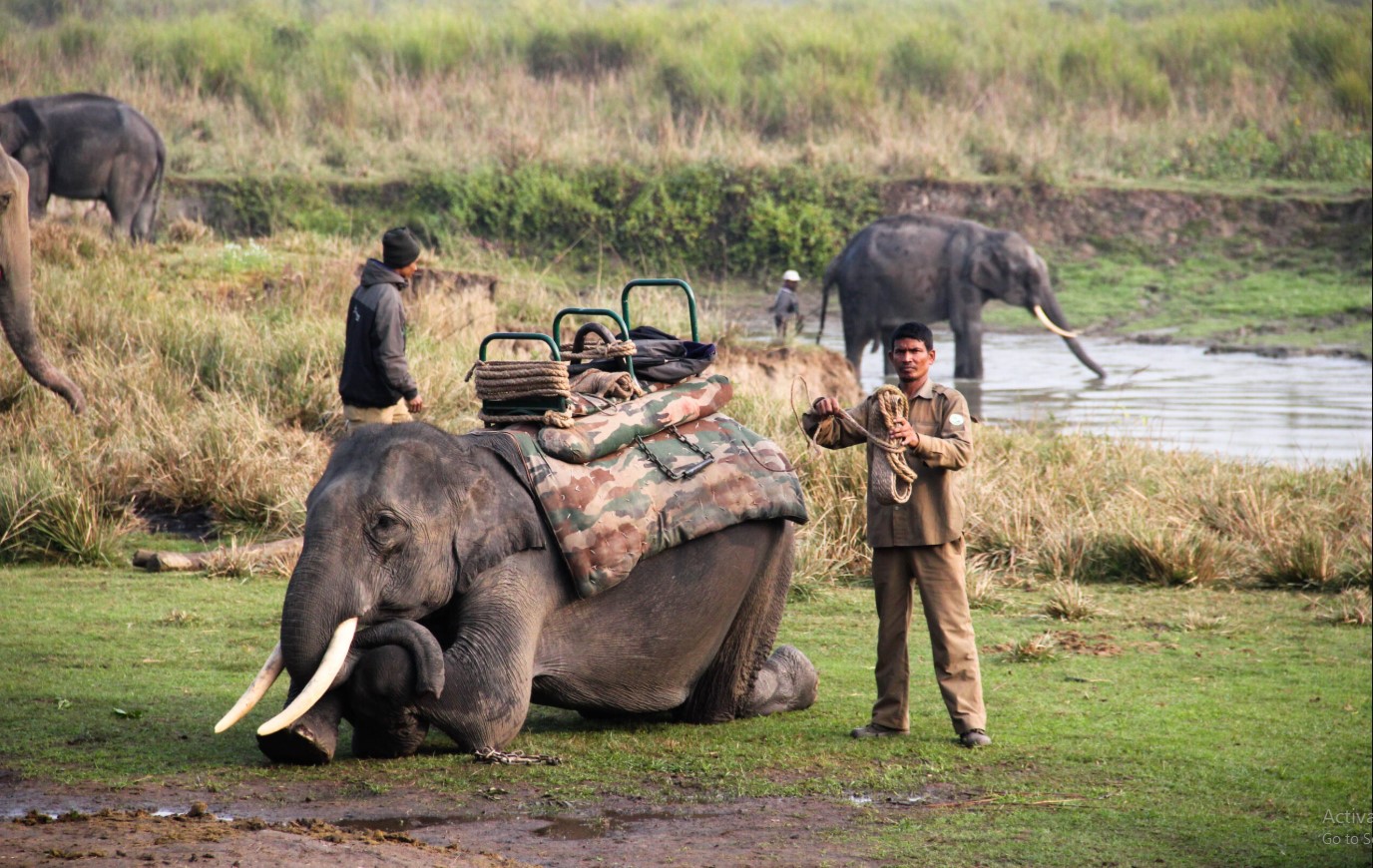
Riding on the back of an elephant is also considered safer and more reliable than other safari options, as elephants can move steadily and confidently through dense grass and uneven terrain where jeeps simply cannot go. The safari is equipped with a sturdy howdah, a comfortable sitting arrangement mounted on the elephant's back, allowing visitors to sit securely while the elephant moves slowly and silently through the wild.
For nature enthusiasts, this safari offers the perfect chance to spot the one-horned rhinoceros, wild water buffalo, swamp deer, and a wide variety of birds from very close proximity. There is also a real possibility of encountering the elusive Royal Bengal Tiger during this ride. Taking you deep into the remotest and densest pockets of the park, the elephant safari in Kaziranga is truly an unmatched experience that no other mode of safari can replicate.
How Elephant Safari Is Different from Jeep Safari
Elephant safaris and jeep safaris each offer a unique way to experience the wildlife of Kaziranga National Park.
Elephant Safari
- Takes place early in the morning, before regular park hours begin
- Reaches deep into tall grassland areas where vehicles cannot go
- Offers a closer view of rhinos and other grazing animals
- Moves at a calm, slow pace guided by an experienced mahout
Jeep Safari
- Runs throughout the day across designated safari zones
- Covers a much wider stretch of the park
- Ideal for overall wildlife exploration and bird watching
- Offers a better chance of spotting predators like tigers
Why Elephant Safari is Unique in Kaziranga
Elephant Safari in Kaziranga National Park is one of the most unforgettable wildlife experiences in all of India. While a jeep safari explores a larger area of the park, an elephant safari in Kaziranga takes you deep into the towering grasslands that vehicles cannot access.
The elephant can walk deep into the grass where no jeep can ever reach, bringing you face to face with the one-horned rhinoceros at a distance of just a few metres. The height of the elephant also gives you a clear view over the tall grass that would otherwise block your sightline completely.
In Which Zones Is Elephant Safari Available?
The elephant safari in Kaziranga National Park is organized in two zones only.
Central Zone — Kohora Range: The Central Zone, also known as the Kohora Range, is the most popular zone for elephant safari in Kaziranga. It is home to the highest concentration of one-horned rhinos in the entire park. The wide open floodplain grasslands of this zone make it perfect for elephant movement and wildlife spotting. Rhino sightings here are almost guaranteed, and the early morning sunrise over the Brahmaputra floodplain makes the experience even more magical.
Western Zone — Bagori Range: The Western Zone, also known as the Bagori Range, is the second zone where elephant safari is organized in Kaziranga. It is comparatively quieter and less crowded than the Central Zone, making it a great choice for visitors who prefer a more peaceful and undisturbed wildlife experience. Wildlife sightings here are equally rewarding and the zone is also known for good tiger spotting chances.
Morning Only
Elephant Safari Timings
Elephant safaris in Kaziranga are conducted only in the early morning hours. This is because wildlife is most active before sunrise and in the first hours of daylight.
It is strongly recommended to arrive at the safari point by 5:00 AM to avoid missing your slot. You can easily combine an elephant safari at dawn with a jeep safari later in the morning on the same day for the most complete Kaziranga experience.
Entry Charges
Elephant Safari Fee
Indian Adults
₹2,200 per person
Foreign Nationals
₹5,000 per person
Children below 5 years
Complimentary free entry
Plan Your Visit
Best Time to Visit for Elephant Safari
The elephant safari in Kaziranga National Park is available only during the park's open season, which runs from November to April. Choosing the right time within this window can make a big difference to your overall experience.
November – February
Cool & Dry Season
This is widely considered the best time for an elephant safari in Kaziranga. The weather during these months is cool, dry, and extremely pleasant, making the early morning safari hours comfortable rather than harsh. The grasslands are lush and green after the monsoon, rhino sightings are consistent, and migratory birds add an extra layer of beauty to the experience. The misty winter mornings over the Brahmaputra floodplain also create a magical atmosphere for photography.
March – May
Peak Sighting Season
As the season progresses, the tall elephant grass begins to dry out and thin considerably, which dramatically improves visibility across the grasslands. This makes March and May the most productive months for spotting rhinos, wild buffaloes, and even tigers from the back of an elephant. Wildlife tends to be more concentrated and active in the open grassland sections during this period.
June – October
Monsoon — Safari Suspended
Kaziranga National Park closes completely from June to October due to the monsoon season and heavy flooding from the Brahmaputra River. During this time the grasslands get submerged and the entire landscape transforms completely, making safaris unsafe for both visitors and wildlife. Elephant safaris, along with all other safaris, are not conducted during this period. The park officially reopens for tourists from November onwards once the floodwaters recede and the forest tracks become accessible again for safe movement.
Wildlife Encounters
Wildlife You Can Spot
One-Horned Rhinoceros
The star of every Kaziranga elephant safari. Rhinos are frequently spotted at very close range — sometimes just 5 to 10 metres away as the elephant moves silently through the tall grass. Spotting a mother rhino with her calf is one of the most moving wildlife sights you will ever witness.
Wild Water Buffalo
Large and powerful herds of wild water buffalo are commonly encountered in the grassland sections of both zones. The height of the elephant gives you a clear and safe view of these impressive animals.
Swamp Deer
Commonly seen in groups grazing peacefully across the open grasslands during the early morning safari hours.
Bengal Tiger
Tiger sightings during elephant safari are possible but less frequent. The Western Zone is considered better for tiger spotting chances.
Asian Elephant
Wild elephant herds roam freely across Kaziranga and are occasionally spotted during the safari, particularly near the forest edges.
Birds
Greater Adjutant Stork, Sarus Crane, various eagles, and waterfowl are commonly spotted from the height of an elephant during the morning safari.
Be Prepared
Tips Before You Go
What to Carry & Wear
Wear muted and earthy colours like khaki, olive, or brown. Avoid bright colours as they can disturb the wildlife. Carry a light jacket or shawl as early morning temperatures in Kaziranga can be quite cool even in March. Keep your camera ready at all times as rhino encounters can happen very quickly and from very close range. Avoid using flash photography as it disturbs both the trained elephants and the wild animals around you.
Behaviour & Booking Tips
Book your slot well in advance as availability is very limited during peak season from December to March. Stay completely quiet during the safari. Avoid making loud noises, as they can scare away wildlife and limit your chances of memorable sightings. Always follow the mahout's instructions as experienced mahouts know animal behaviour and ensure your safety throughout the ride.
Booking Procedure
- Please choose your suitable date and time.
- Kindly provide all required information such as Name, Number, Age, Gender & Email ID.
- Indian Citizens require valid proof like Aadhar Card, Voter Card, or Driving License.
- Foreign Citizens require a valid Passport only.
- Don't forget to carry the original ID proof used while booking at the time of safari.
- After full payment in advance your elephant safari will be confirmed.
- Maximum 4 persons per elephant. Children below 5 years are complimentary.
Frequently Asked Questions
In which zones is elephant safari available in Kaziranga?
Kaziranga's elephant safari operates exclusively in the Central (Kohora) and Western (Bagori) ranges.
What are the timings of elephant safari in Kaziranga?
Usually from 5:00–6:00 AM and 6:00–7:00 AM.
How much does elephant safari cost in Kaziranga?
Around ₹2,200 for Indians and ₹5,000 for foreigners.
How many people can sit on one elephant?
Generally 2–4 visitors can ride on one elephant.
How long does the elephant safari last?
Each safari lasts about one hour.
Can I see a tiger during the elephant safari?
Yes, but rhinos and wild buffaloes are seen more frequently.
Is advance booking necessary?
Yes, advance booking is highly recommended due to limited seats.
Is elephant safari available throughout the year?
No, it operates only during the park's open season from November to April.
What is the best time to visit for elephant safari in Kaziranga?
November to February offers the best weather and wildlife viewing.
Is elephant safari safe for children?
Yes, it is generally safe, subject to age and safety guidelines.
What should I wear for the elephant safari?
Wear comfortable, earth-toned clothing and carry a light jacket.
Is elephant safari better than jeep safari in Kaziranga?
Both are unique; elephant safari is best for close rhino sightings, while jeep safari covers more area and wildlife.