Kaziranga Safari Information
Advance bookings are highly recommended, since demand is high during tourist season. From thrilling gypsy safaris to traditional elephant rides, customize your journey the way you like.
Check Availability
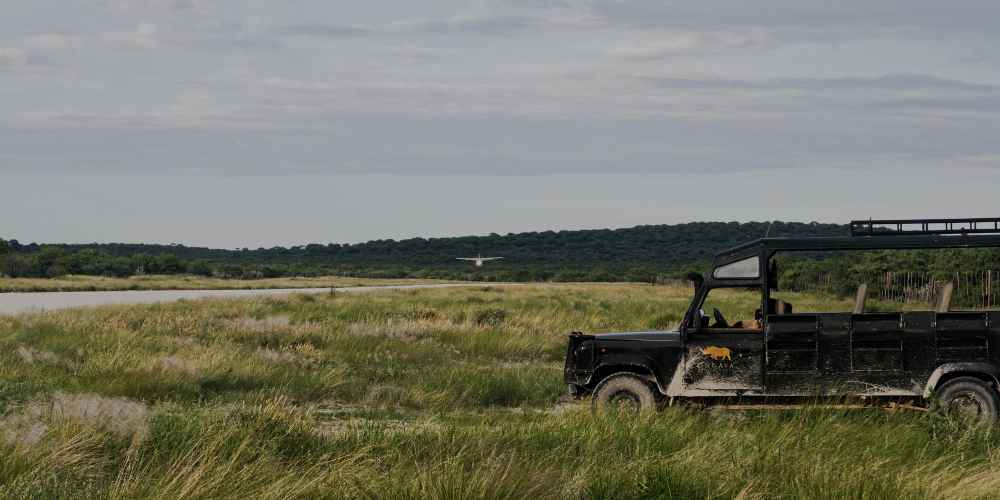
Gypsy Safari
Gypsy safari in Kaziranga National Park is the most popular and widely booked safari activity for tourists visiting this UNESCO World Heritage Site. It is an open four-wheel gypsy ride that takes you deep into the forest through designated routes across all four safari zones — Kohora, Bagori, Agaratoli, and Burapahar. Unlike the elephant safari, the gypsy safari covers a much larger area of the park and gives you a wider chance of spotting different wildlife species.
Each gypsy can carry a maximum of 6 tourists along with a registered driver and a certified nature guide. The guide plays a key role in helping you spot and identify animals, birds, and tracks during the ride. A typical gypsy safari in Kaziranga lasts around 2 to 3 hours. You can choose a morning gypsy safari in Kaziranga starting at 7:30 AM to 10 AM or an afternoon gypsy safari starting at 1:30 PM to 3:30 PM.
During the ride, you can spot the Indian one-horned rhinoceros, Royal Bengal tiger, wild water buffalo, swamp deer, Asian elephant, hog deer, and a wide variety of birds including hornbills and fishing eagles. For wildlife photography enthusiasts, the Agaratoli and Kohora zones are especially rewarding. Booking your Kaziranga gypsy safari online in advance is always recommended as slots fill up quickly during peak season from November to April.
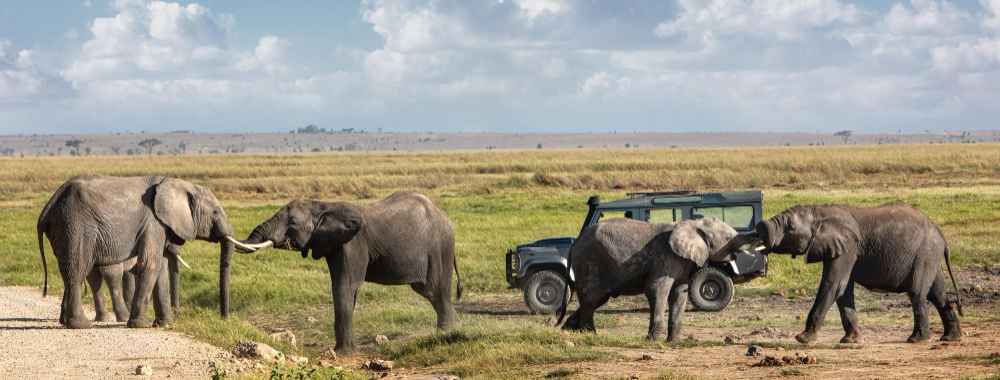
Elephant Safari
Elephant safari in Kaziranga National Park is considered one of the most unique and unforgettable wildlife experiences in India. Sitting on the back of a magnificent elephant, around 9 to 11 feet above the ground, you get a completely different view of the jungle that no gypsy can offer. This is the best way to get a close-up view of the Indian one-horned rhinoceros in Kaziranga because elephants can move silently through tall elephant grass and marshy wetlands without disturbing the animals.
The elephant safari in Kaziranga is available only in two zones — the Central Zone (Kohora) and the Western Zone (Bagori). Both zones are famous for high rhino density and excellent wildlife sightings. The safari is conducted only in the morning with two time slots: 5 AM to 6 AM and 6 AM to 7 AM. The exact slot is confirmed one day before your safari date.
Each elephant can carry a maximum of 4 people along with a trained mahout who guides the ride. Because seats are very limited, advance booking for elephant safari in Kaziranga is strongly recommended. This ride is perfect for families, wildlife lovers, and first-time visitors who want an intimate and peaceful jungle experience without the engine noise of a gypsy.
Biodiversity
Flora and Fauna of Kaziranga National Park
Flora of Kaziranga National Park
Kaziranga National Park is covered with three main types of vegetation — alluvial grasslands with tall elephant grass, tropical wet evergreen forests, and tropical semi-evergreen forests. The dense and tall elephant grass is the most defining feature of the park, creating a perfect natural habitat for the one-horned rhinoceros. The park's swamps and water bodies are beautifully decorated with water lilies, lotus, and water hyacinth. Trees like Silk Cotton, Indian Gooseberry, Elephant Apple, and Kumbhi are also commonly found inside the Kaziranga forest. Various orchids and ferns add to the park's rich plant diversity.
Fauna of Kaziranga National Park
Kaziranga is home to the famous Big Five — the Great Indian One-Horned Rhinoceros, Royal Bengal Tiger, Asian Elephant, Asiatic Wild Water Buffalo, and Eastern Swamp Deer. The park holds two-thirds of the world's one-horned rhino population. Other animals include leopards, sloth bears, golden jackals, hoolock gibbon, Indian pangolin, and Ganges River dolphin. Kaziranga is also a recognised Important Bird Area with over 478 bird species recorded, including migratory birds from Siberia like the Greater Adjutant, Black-necked Stork, and Ferruginous Duck.
Your Next Journey Awaits
Gypsy and Elephant Safaris in Kaziranga
Tourists enjoy both gypsy and elephant safaris because they each have their own unique charm. The gypsy safari is great for photography, but on the other hand, the elephant safari provides a once-in-a-lifetime chance to be very close to animals. The majority of tourists opt for both in order to fully Experience Kaziranga.
Travel Guide
How to Reach Kaziranga
Explore the most convenient travel options to Kaziranga National Park and enjoy a smooth journey through Assam’s beautiful landscapes.
By Air
Guwahati International Airport (217 km) – the best option for domestic & international travelers.
By Train
Furkating Junction (123 km) – well connected to Guwahati, Kolkata & other cities.
By Bus
State-run & private buses from Guwahati.
Travel Time: ~5 hours.
By Taxi
From Jorhat: ~2 hrs
From Tezpur: ~1–2 hrs
| Kaziranga National Park — Route Chart | |||
|---|---|---|---|
| Starting Location | Distance | Travel Time | Route Path |
| Tezpur | 63 km | 1.5 – 2 hrs | Tezpur – Kaliabor Tiniali – Jakhalabandha – Bagori – Kohora |
| Jorhat | 101 km | 1.5 – 2 hrs | Jorhat – Dergaon – Bokakhat – Kohora |
| Nagaon | 85 km | 1.5 – 2 hrs | Nagaon – Samaguri – Kaliabor – Jakhalabandha – Kohora |
| Furkating | 86 km | 1.5 – 2 hrs | Furkating – Bokakhat – Kohora (via NH 37) |
| Guwahati | 204 km | 4.5 – 5 hrs | Guwahati – Sonapur – Jagiroad – Nagaon Bypass – Jakhalabandha – Bagori – Kohora |
| Shillong | 265 km | 5 – 6 hrs | Shillong – Jorabat – NH 37 – Nagaon – Jakhalabandha – Kohora |
| Dibrugarh | 237 km | 4 – 5 hrs | Dibrugarh – Sibsagar – Jorhat – Bokakhat – Kohora |
| Silchar | 360 km | 7 – 8 hrs | Silchar – Bandarkhal – Nagaon Bypass – NH 37 – Kohora |
| Imphal | 358 km | 8 – 9 hrs | Imphal – Dimapur – Numaligarh Tiniali – Bokakhat – Kohora |
Booking Procedure
- Please choose your suitable date and time.
- Kindly provide all required information such as Name, Number, Age, Gender & Email ID.
- Indian Citizen required valid proof LIke Aadhar Card, Voter Card, Driving License and more.
- Foreigners Citizen required valid proof only Passport.
- Don't Forget to Carry original id proof used while booking at the time of safari.
- After your full payment in advance then your safari will be confirmed.