Enquiry Now
Discover the Heart of Assam
About Kaziranga National Park
A UNESCO World Heritage Site, Kaziranga is a biodiversity hotspot renowned for its thriving population of the Great One-Horned Rhinoceros and diverse wildlife.
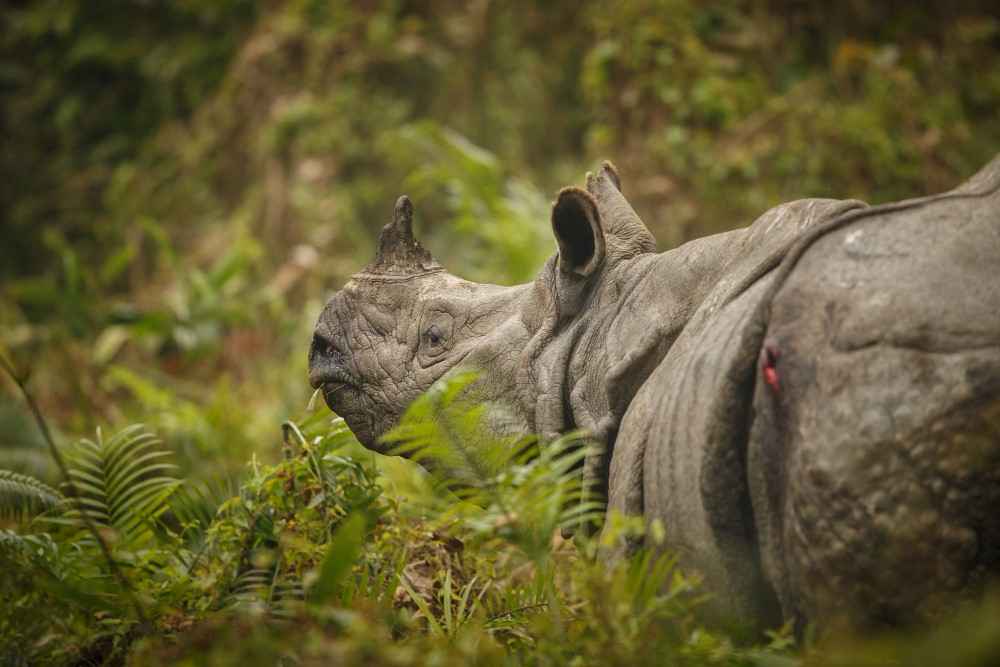
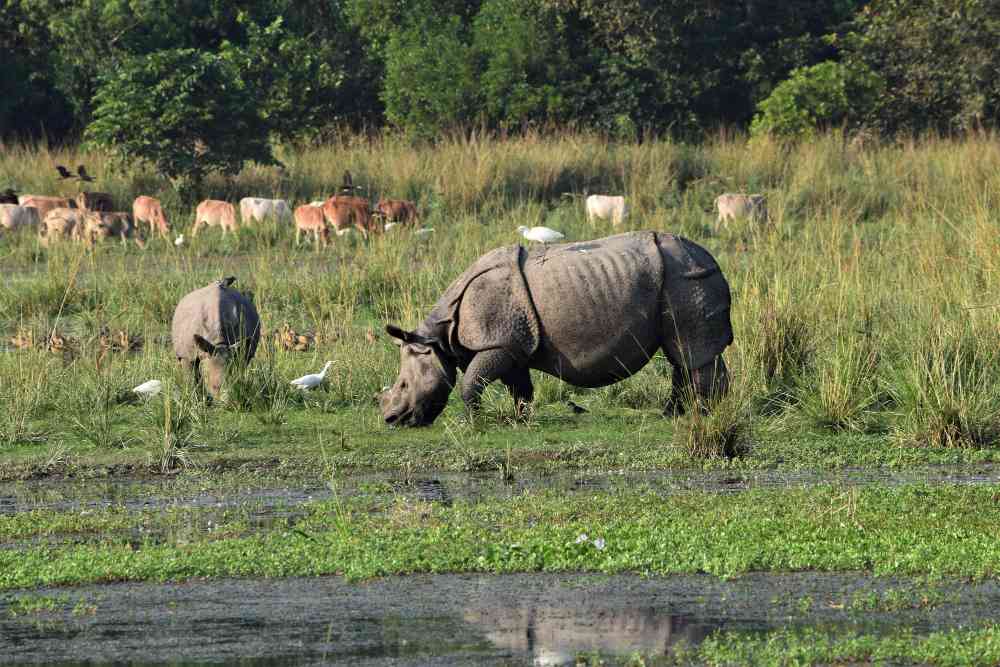
Kaziranga National Park is one of the most famous wildlife destinations in India, located in the state of Assam along the floodplains of the mighty Brahmaputra River. Spread across approximately 430 square kilometres, this extraordinary park was declared a UNESCO World Heritage Site in 1985 and a Tiger Reserve in 2006. It is best known for having the world's largest population of the Indian one-horned rhinoceros, making it the top place to see one-horned rhino in the wild.
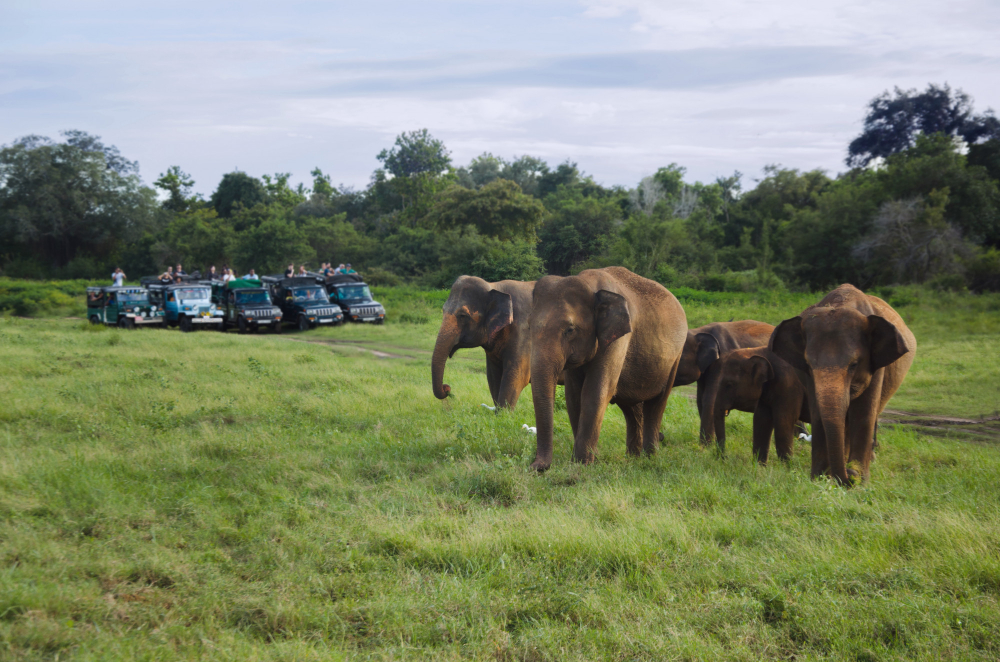
The park sits between the Brahmaputra River and the Karbi Anglong Hills and is covered with tall elephant grasslands, swampy lagoons, marshes, and dense tropical forests. This rich mix of landscape makes Kaziranga one of the best wildlife safari destinations in Northeast India. The park is home to the Big Five of Kaziranga which are the Indian one-horned rhinoceros, Royal Bengal tiger, Asian elephant, wild water buffalo, and swamp deer.
Kaziranga is also recognised as an Important Bird Area by BirdLife International, with hundreds of bird species found here including migratory birds. You can explore the park through gypsy safari or elephant safari across four main safari zones. Whether you are a wildlife lover, nature photographer, or first-time visitor, a Kaziranga National Park safari tour is an experience you will never forget.
Conservation Legacy
History of Kaziranga National Park
The history of Kaziranga National Park dates back to 1904 when Mary Curzon, wife of the Viceroy of India Lord Curzon, visited the forests of Assam. She could not spot a single one-horned rhinoceros, for which this region was famous. Deeply concerned, she urged Lord Curzon to take immediate steps to protect the dwindling rhino population.
On 1st June 1905, the Kaziranga Proposed Reserve Forest was officially created. In 1908 it became a Reserve Forest, and by 1916 it was upgraded to a Game Sanctuary. The park was opened to general visitors in 1938.
After India's independence, it was declared a Wildlife Sanctuary in 1950. In 1954, the Assam Legislative Assembly passed the Assam Rhinoceros Bill, giving full legal protection to the one-horned rhino.
On 11th February 1974, Kaziranga was officially declared a National Park — the first national park in Assam. In 1985, UNESCO recognised it as a World Heritage Site for its outstanding biodiversity. In 2006, it was designated a Tiger Reserve under Project Tiger.
Kaziranga National Park is home to two-thirds of the world's one-horned rhinoceroses and stands as one of India's greatest wildlife conservation success stories.
Explore the Park
Kaziranga Safari Zones
The park is divided into four main safari zones to help tourists explore safely. Each zone offers different wildlife, landscapes, and experiences.
Kohora Zone
Central Range — Kaziranga National Park
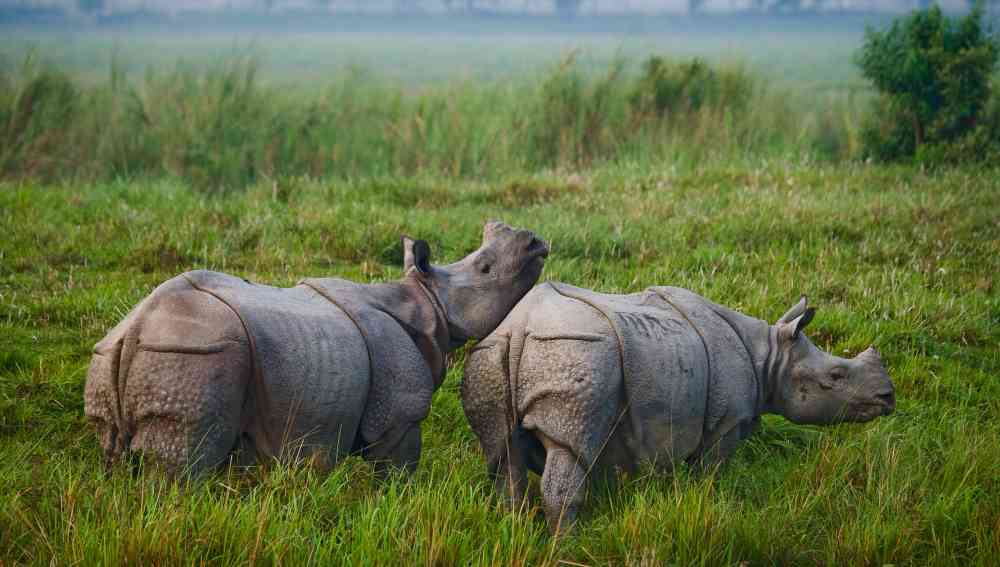
Kohora Zone, also called the Central Range, is the most popular safari zone in Kaziranga National Park. It is the best zone for both gypsy safari and elephant safari in Kaziranga. The entry gate is just a couple of kilometres off the National Highway through Kohora village. Wildlife sightings here are exceptional. You can easily spot the Indian one-horned rhinoceros, wild buffalo, swamp deer, and Royal Bengal tiger. Large bells or lakes inside this zone attract elephants and birds in large numbers. If you are planning a Kaziranga gypsy safari booking for the first time, Kohora is the ideal zone to start with.
Bagori Zone
Western Range — Kaziranga National Park
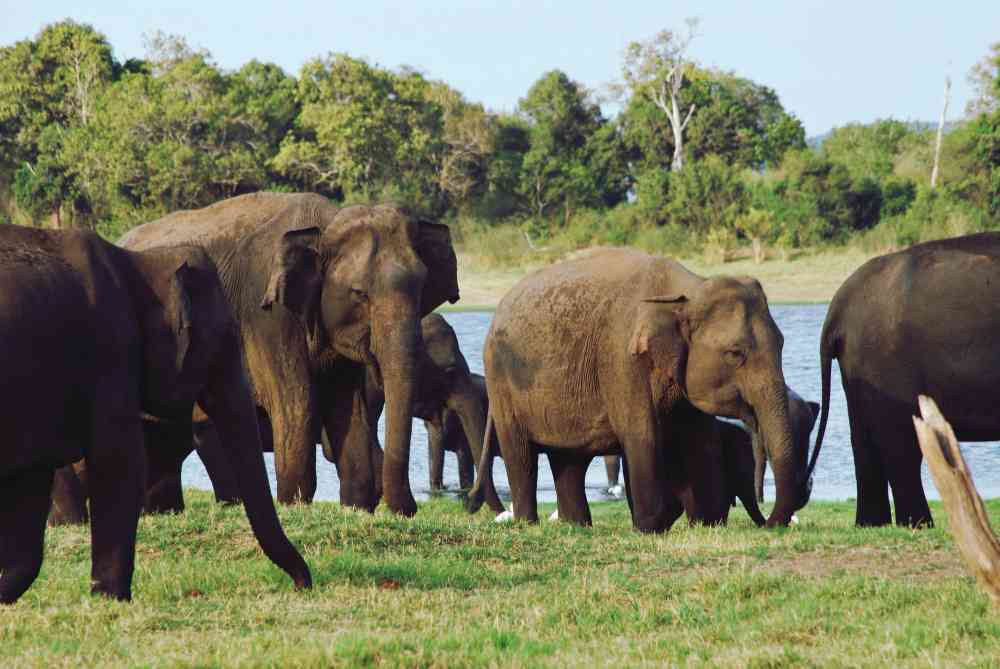
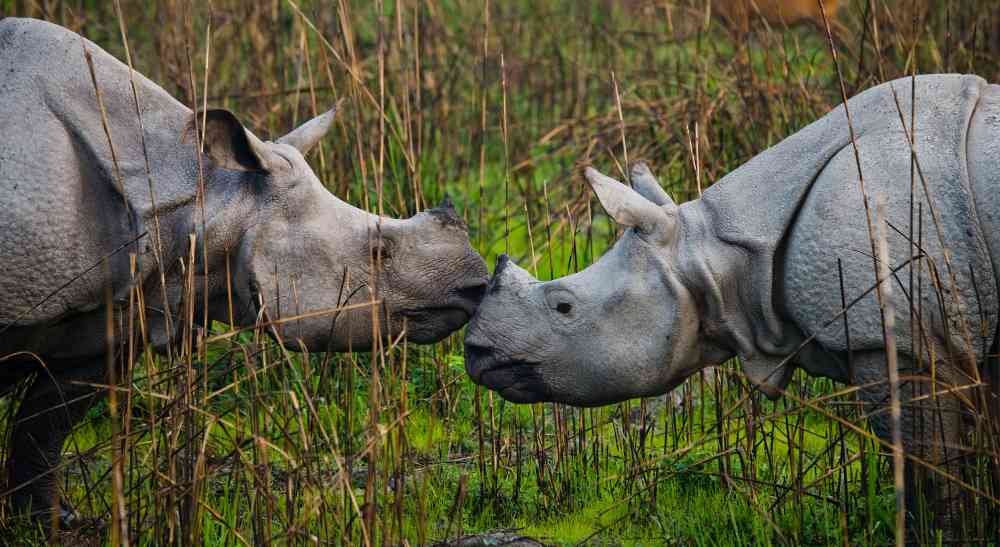
Bagori Zone, known as the Western Range, is one of the best zones for rhino and elephant sighting in Kaziranga National Park. This zone is especially loved by wildlife enthusiasts because of its dense grasslands, open waterholes, and rich animal population. Visitors can book both gypsy safari and elephant safari from the Bagori tourism office. The multiple waterholes inside this zone attract rhinos, wild buffalos, and swamp deer in large numbers. There is also a rare chance of spotting the golden tiger here. If you are looking for the best zone for elephant safari in Kaziranga, Bagori is your answer.
Agaratoli Zone
Eastern Range — Kaziranga National Park
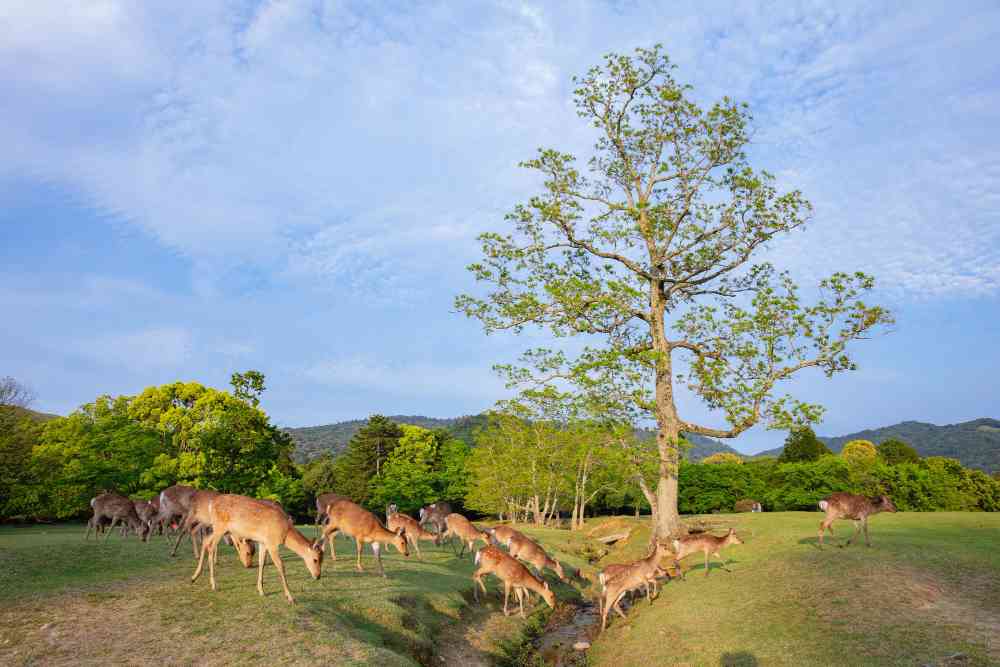
Agaratoli Zone, also called the Eastern Range, is located on the eastern edge of Kaziranga National Park along the National Highway. This zone is a paradise for birdwatchers and wildlife photographers. The landscape is dominated by grasslands, wetlands, and water bodies which attract a wide variety of exotic birds including the Greater Adjutant Stork, Fishing Eagle, and Brahminy Duck. Swamp deer, one-horned rhinos, and occasional tigers are also spotted here. Only gypsy safari is available in this zone. If you are planning birdwatching safari in Kaziranga National Park, Agaratoli is the most rewarding zone for that experience.
Burapahar Zone
Far Western Range — Kaziranga National Park
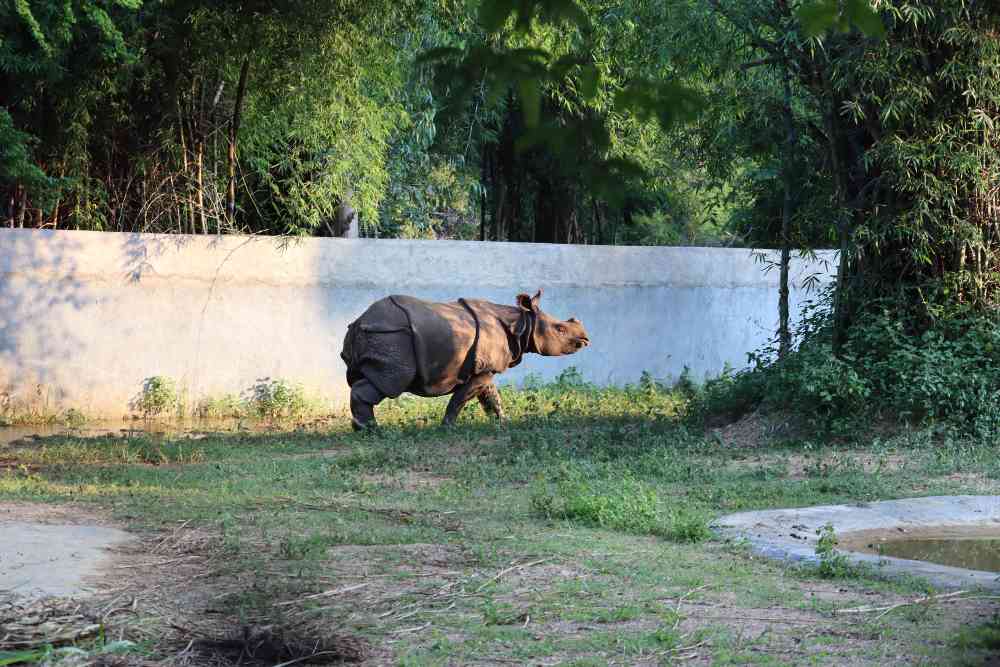
Burapahar Zone is located around 40 kilometres from the Central Range and is the first zone you encounter when arriving from Guwahati. The entry gate is at Ghorakati village on the National Highway, and the Rhinoland Park is the starting point for gypsy safaris here. Unlike other zones, Burapahar features hilly forested terrain and dense tree cover. It is the best zone for Hoolock Gibbon sighting in Kaziranga, as it is the only ape species found in India. Hornbills, capped langurs, smooth-coated otters, and spotted deer are also seen here. Trekking on a designated forest trail is a unique activity offered in this zone.
Adventure Starts Here
Book Your Kaziranga
Everything you need for a seamless Kaziranga experience — safaris, stays, and complete tour packages.
Explore
Tourist Attractions in Kaziranga National Park
Kaziranga National Park in Assam is far more than a wildlife reserve. It is a UNESCO World Heritage Site that offers a rare combination of exceptional wildlife, scenic landscapes, and immersive cultural experiences that keep visitors returning year after year.
Gypsy Safari
The most popular way to explore Kaziranga, jeep safaris take visitors deep into the park's four tourism zones — Central (Kohora), Western (Bagori), Eastern (Agoratoli), and Burapahar. Each zone offers a distinct landscape and wildlife experience, from open grasslands packed with one-horned rhinos to dense forest trails where tigers and elephants move freely.
Elephant Safari
Kaziranga's elephant safari is one of the most iconic wildlife experiences in India. Riding atop a trained elephant in the early morning hours gives visitors a ground-level perspective of the floodplain grasslands and a closer, quieter approach to rhinos, wild buffaloes, and deer that gypsy cannot always access.
Bird Watching
With over 480 recorded bird species, Kaziranga is a paradise for birdwatchers. The park hosts both resident and migratory species including the greater adjutant stork, Pallas's fish eagle, black-necked stork, and numerous species of kingfishers, pelicans, and waders that gather along the Brahmaputra floodplains during winter.
Brahmaputra River Experience
The mighty Brahmaputra River forms the northern boundary of Kaziranga, and a riverside sunset view from the park's edge is an unforgettable experience. River safaris and boat rides along the Brahmaputra offer a completely different perspective of the park's landscape and the wide, island-studded river that defines the entire Assam valley.
Kakochang Waterfall
Kakochang Waterfall is a scenic natural attraction located near Kaziranga, surrounded by lush tea gardens and dense forest. The waterfall cascades through rocky terrain, creating a peaceful and picturesque setting that offers a refreshing contrast to the wildlife safari experience. It is a popular stop for visitors looking to explore the natural beauty beyond the park boundaries. The surrounding landscape is ideal for short nature walks and photography.
Orchid and Biodiversity Park
The Kaziranga National Orchid and Biodiversity Park near Kohora is a dedicated conservation space showcasing over 500 orchid species found across Assam and northeast India. The park also displays medicinal plants, aquatic life, and rare flora unique to the region. It is an excellent introductory stop for first-time visitors before entering the main safari zones, offering a well-curated overview of the extraordinary botanical and ecological wealth of the Kaziranga landscape.
Tea Gardens, Kaziranga
Kaziranga sits at the heart of Assam's world-famous tea belt, surrounded by sprawling tea estates that produce some of India's finest orthodox teas. Guided tea garden tours near the park offer visitors a fascinating insight into the complete tea-making process — from hand plucking tender leaves in the early morning to processing, rolling, and drying inside the factory. Pairing a morning gypsy safari with an afternoon tea garden walk is one of the most popular and rewarding Kaziranga day itineraries.
Deoparbat Ruins
Deoparbat is an ancient archaeological site located near Kaziranga, housing the ruins of a Hindu temple complex dating back to the 9th and 10th centuries. Stone carvings, sculpted panels, and structural remains from the early medieval period are scattered across the forested site, offering a rare glimpse into Assam's rich historical and artistic heritage. It is a quiet, largely undiscovered attraction that adds a meaningful historical dimension to what is otherwise a predominantly wildlife-focused Kaziranga visit.
Cultural Experiences — Assamese Village Life
The villages surrounding Kaziranga offer a warm and authentic window into Assamese culture. Local markets, traditional Assamese cuisine, handloom weaving, and the famous bihu dance performances give wildlife visitors an equally rich cultural experience alongside their safari days.
Best Seasons to Visit Kaziranga
Every season shows a different side of Kaziranga, and a Kaziranga safari lets you enjoy its wildlife up close. Each visit brings new experiences and memorable moments for every traveler.
Summer
Summer starts from March and peaks in May with temperatures ranging from 25°C to 38°C. The heat can be tough, but this season offers excellent tiger and rhino sightings as animals gather near waterholes and rivers. If you plan a Kaziranga National Park safari in summer, carry light cotton clothes, sunglasses, and enough water. Morning safari is highly recommended during summer to avoid the afternoon heat and get the best wildlife sightings.
Monsoon
The monsoon season brings heavy rainfall from the Brahmaputra River, and the temperature ranges from 23°C to 32°C. Kaziranga National Park remains fully closed from June to October due to severe flooding that covers large parts of the park. Kaziranga safari booking is not available during this period. Wildlife moves to higher ground during floods. It is not advisable to plan your visit in monsoon as all core zone safari activities are suspended by the forest department.
Winter
Winter is the best time to visit Kaziranga National Park. The temperature ranges from 8°C to 25°C, making it cool and comfortable for a jeep safari. The dry weather lowers the tall elephant grass, giving you clear views of the one-horned rhinoceros, wild elephants, tigers, and migratory birds. This season is ideal for wildlife photography and early morning Kaziranga safari booking. Book your safari early as slots fill up fast during these months.
Book Your Kaziranga
Premium Hotels
Stay in comfort and style while being close to the wilderness of Kaziranga.
Book Your Kaziranga
Holiday Tour Packages
Choose the perfect getaway for your safari adventure.
 ₹3500
₹3500
Wild Weekend Escape
1 Night / 2 Days
- Welcome Drink
- Breakfast & Dinner
- Adventure activities
 ₹4500
₹4500
Holiday Safari Retreat
2 Nights / 3 Days
- Welcome Drink
- Breakfast & Dinner
- Adventure activities
 ₹5500
₹5500
Full Adventure Experience
3 Nights / 4 Days (3 Gypsy Safari)
- Welcome Drink
- Breakfast & Dinner
- Adventure activities
Explore Pench Through Our
Latest Blog Posts
Explore In-Depth Blogs.
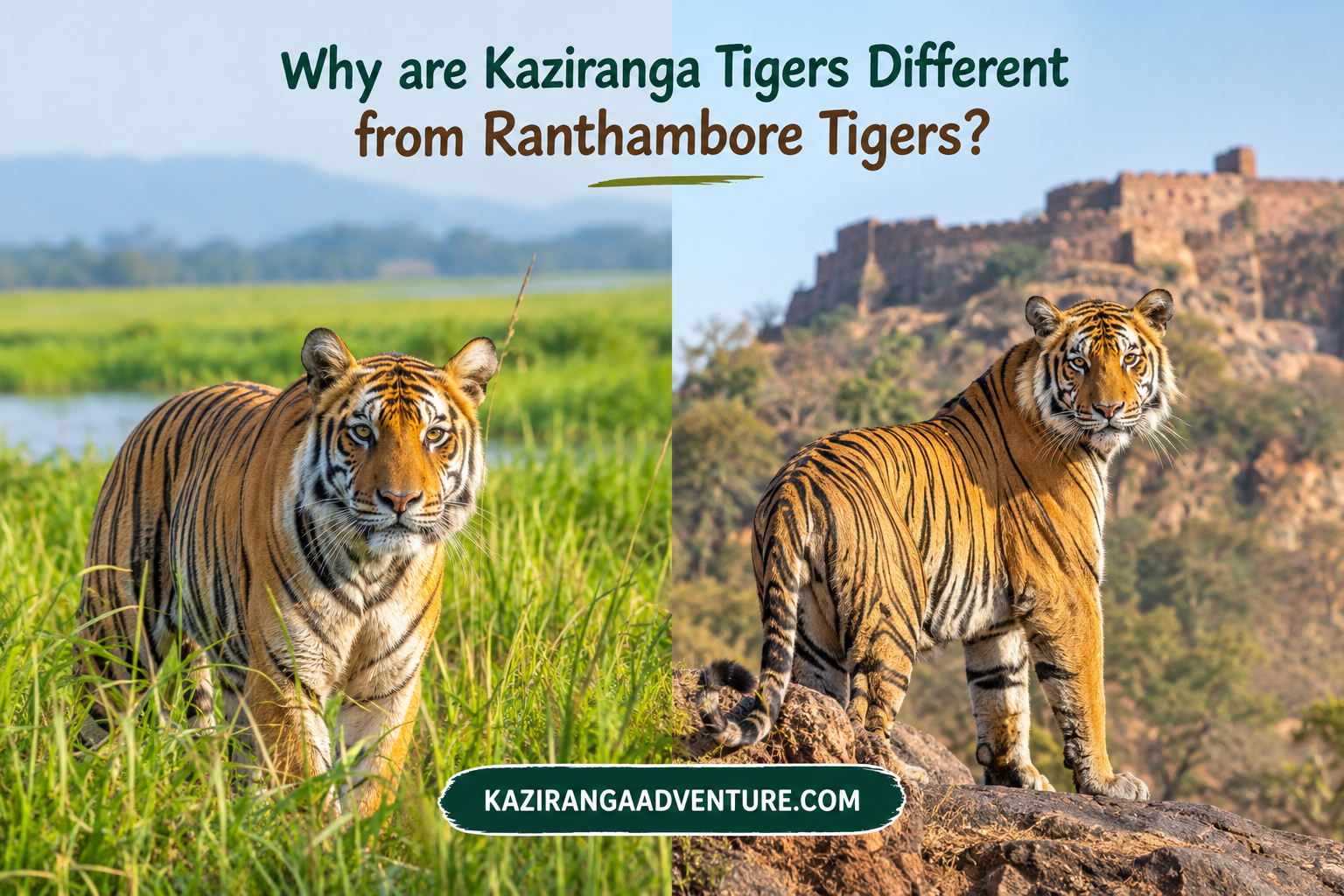
Why are Kaziranga Tigers Different from Ranthambor...
Both Kaziranga and Ranthambore are names that every wildlife lover in India knows. Both parks have tigers. Both are protected reserves. But if you pu...
Read More
Best Time to Visit Kaziranga for Rhino Safari
Honestly, the timing of your Kaziranga trip can make or break the whole experience. Miss the right window and you might spend two safaris staring int...
Read More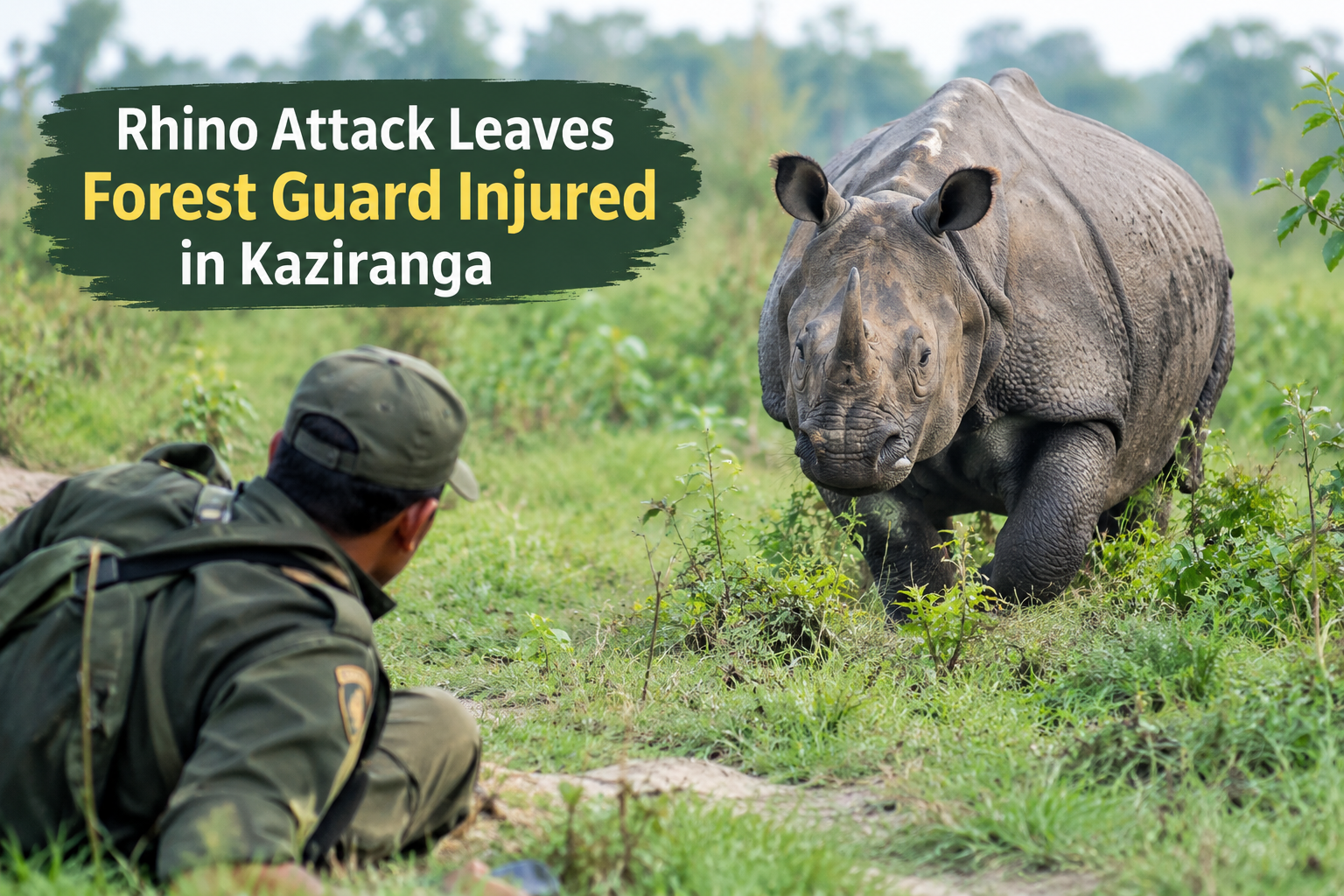
Rhino Attack Leaves Forest Guard Injured in Kazira...
Guwahati: A forest guard was injured after being attacked by a rhinoceros at Kaziranga National Park on Saturday, the same day the park reopened to t...
Read MoreFrequently Asked Questions
What is Kaziranga National Park famous for?
Kaziranga National Park, also known as Kaziranga National Park Assam and Kaziranga National Park Assam India, is world-famous for its population of the one-horned rhinoceros. It is home to the highest number of Kaziranga rhinos in the world and is recognized for its rich Kaziranga biodiversity and thriving Assam wildlife.
Is Kaziranga a tiger reserve and wildlife sanctuary?
Yes, Kaziranga is officially designated as the Kaziranga Tiger Reserve and was earlier known as the Kaziranga Wildlife Sanctuary. The park provides a safe habitat for the Bengal tiger in Kaziranga, along with many other endangered species.
Where is Kaziranga National Park located?
Kaziranga National Park, Assam, is located in the Northeast India Wildlife region and spreads across the Kaziranga, Golaghat, and Nagaon districts of Assam. It is one of the most important destinations promoted under Assam Tourism.
What kind of wildlife can be seen in Kaziranga Forest?
The Kaziranga Forest is home to wild elephants, swamp deer, wild buffalo, hog deer, and predators like leopards. The park is also a paradise for bird lovers, with more than 500 species of Kaziranga birds recorded.
What safari options are available in Kaziranga?
Visitors can enjoy a thrilling Kaziranga Safari experience through: Jeep Safari Kaziranga Elephant Safari Kaziranga Both safaris offer excellent chances for wildlife sightings and wildlife photography in Kaziranga.
What are the best safari zones in Kaziranga National Park?
The best safari zone in Kaziranga National Park depends on wildlife interest. Central Zone (Kohora)—Rhinos and elephants Western Zone (Bagori)—High rhino density Eastern Zone (Agaratoli) – Birds and scenic landscapes Burapahar Zone – Hills and forests
What are the Kaziranga safari timing details?
Kaziranga safari timing generally follows: Jeep Safari: Early morning and afternoon slots Elephant Safari: Early morning only Safari timings vary seasonally and depend on forest regulations.
How can I book a Kaziranga safari online?
You can complete Kaziranga Safari booking through the official forest portal or authorized agents. Online Kaziranga Safari booking is recommended during peak season. Many travelers search specifically for how to book a Kaziranga safari online, making advance booking essential.
What are the entry fees and safari costs?
Kaziranga National Park entry fees vary for Indian and foreign tourists. * The Kaziranga elephant safari cost is higher than the jeep safari due to limited seats. Kaziranga jeep safari zones have different pricing depending on the zone selected. Rates may change each season.
What is the best time to visit Kaziranga National Park?
The best time to visit Kaziranga is from November to April, when the park remains open and wildlife sightings are at their best. Monsoon season usually sees park closures due to flooding.
Are there good places to stay near Kaziranga?
Yes, there are many accommodation options, including Hotels Near Kaziranga National Park Luxury Resorts in Kaziranga Nature-friendly Kaziranga Eco Resort Budget and cultural stays like Kaziranga Homestay
Are tour packages available for Kaziranga?
Yes, travelers can choose from various Kaziranga Tour Packages and guided Kaziranga National Park Tour options that include safaris, accommodation, and transfers. A detailed Kaziranga Travel Guide helps visitors plan efficiently.
Why is Kaziranga important for Assam and India?
Kaziranga National Park, Assam, India, is a UNESCO World Heritage Site and a flagship conservation success for Assam Wildlife. It plays a vital role in preserving Northeast India wildlife and strengthening ecotourism under Assam Tourism.