Honestly, most people book Kaziranga for the rhinos and nothing else. Fair enough, but the activities in Kaziranga National Park stretch much further than that. The UNESCO-listed park lies on the Brahmaputra floodplains in Assam, and it’s home to the biggest population of one-horned rhinos anywhere, along with tigers, swamp deer and wild buffalo. Outside the gates, there are tea estates, weaving sheds and village lanes worth your time. Some trips suit a tight budget, others a slow family holiday. Here’s how to sort through the options.
Gypsy Safari in Kaziranga: The Classic Way to Explore
Most visitors start with the gypsy safari, and it’s easy to see why. The open-top gypsies take up to six people and bump along dirt tracks that run through elephant grass, wetlands and patches of woodland. Kohora, Bagori, Agaratoli and Burapahar all look and feel a bit different, so what you spot changes from range to range. Mornings begin around 7:00 with lovely light. Afternoon drives kick off near 1:30 and are cooler. Rhinos, buffalo and swamp deer are common; tigers aren’t. Book via the forest department before the rush.
Elephant Safari at Sunrise: Get Closer to the Rhinos
Want to get into the tall grass where a gypsy can’t go? That’s what an elephant safari in Kaziranga does, and it’s one of the more memorable activities in Kaziranga National Park. You go out at first light, drift up to rhinos from a respectful distance, and watch mist peel off the floodplain. The ride lasts about an hour from the Kohora and Bagori centres. Seats are limited, so register early. Forest rules, weather and the animals’ mood decide how it goes, so stay flexible and keep the camera handy.
Wildlife Spotting: Meet the Big Five of Kaziranga
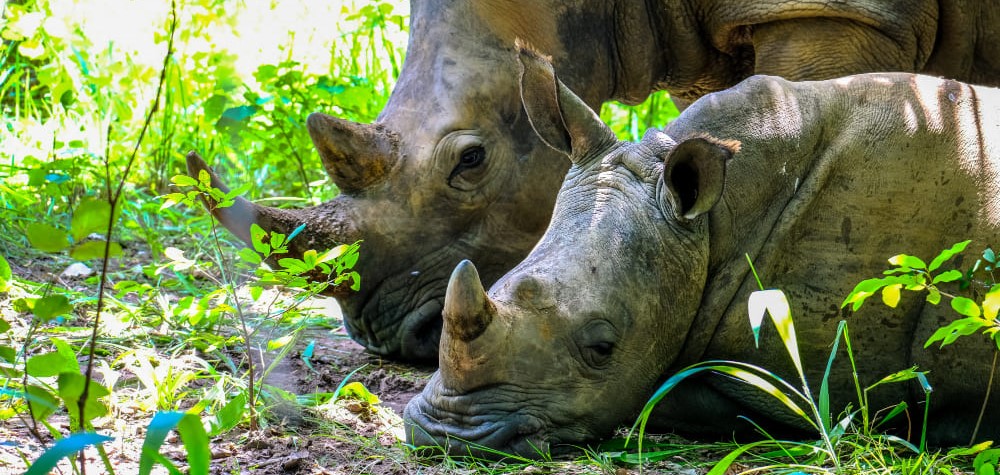
Guides talk about a “Big Five” here: the one-horned rhino, Bengal tiger, Asian elephant, wild water buffalo and eastern swamp deer. Wildlife spotting in Kaziranga National Park is nearly a sure thing for rhinos, which you’ll often find wallowing in a beel. Tigers are a different matter. The park holds a good number, but the grass is tall, and they’re shy. Hog deer, gaur, otters and monitor lizards turn up in quieter corners. Stay quiet, and pay attention when your guide reacts to a deer or langur alarm call.
Birdwatching in Kaziranga: A Paradise for Bird Lovers
Bring binoculars, and birdwatching in Kaziranga turns into a highlight all by itself. More than 450 species have been logged, including the Bengal florican, greater adjutant stork, spot-billed pelican and Pallas’s fish eagle. Winter is when it really gets lively, with ducks, geese and waders flying in from Central Asia and Siberia. Try Agaratoli in the Eastern range for waterbirds, or Burapahar if forest birds are your thing. A field guide helps. So does a naturalist, because you’ll hear plenty of birds long before you see them.
Wildlife Photography Tips for Kaziranga
Early morning is one of the best times for wildlife photography in Kaziranga National Park. During the first two hours after the gates open, the sunlight is soft, light mist may cover the grasslands, and many animals are active. A 200–500mm camera lens is useful for taking clear pictures of animals from a distance, but a good mobile phone camera can also capture beautiful shots. Never use a flash or make loud noises to attract animals. Always follow your guide’s instructions about where to stop and take pictures. You may see rhinos crossing the road, elephants bathing in the water, or birds flying over wetlands. Be patient and wait quietly instead of constantly moving around.
Cultural Experiences and Orchid Park Near Kohora
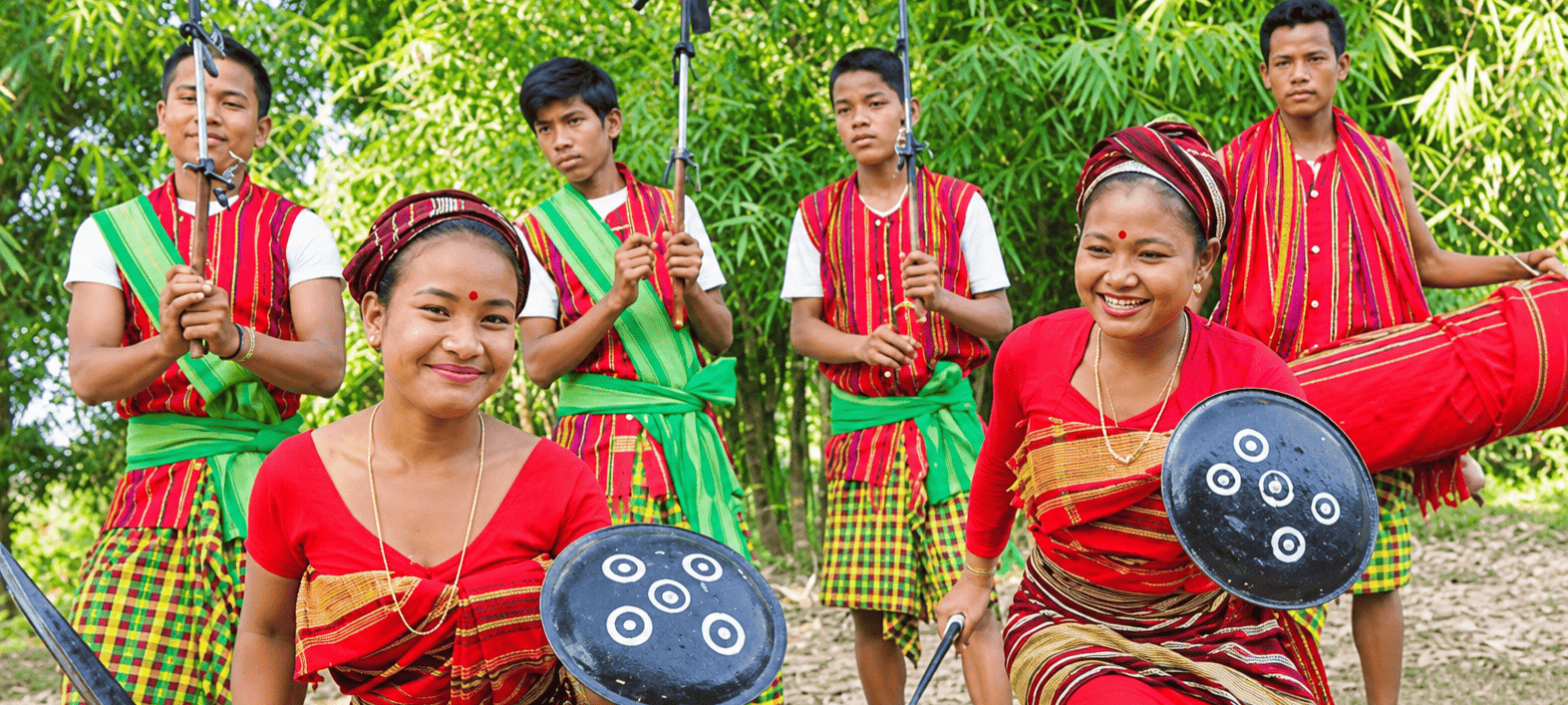
Not every hour has to be on a safari. Kaziranga has a cultural side, and it fits neatly between game drives. The Kaziranga Orchid and Biodiversity Park near Kohora shows off hundreds of orchid varieties from Northeast India. Many resorts stage Bihu dance evenings, complete with dhol drums and bright costumes. Local haats are good for gamosa scarves, bamboo crafts and muga silk. Children, older relatives and anyone who isn’t mad about wildlife tend to enjoy these stops more than they expected.
Trekking Near Kaziranga: A Quiet Forest Adventure
Trekking is the calm side of a Kaziranga trip. You can’t walk inside the core zone for safety reasons, so guided treks happen in the Panbari Reserve Forest and the Karbi Anglong foothills close by. The paths wind through evergreen forest, bamboo and small streams, and with luck you’ll hear hoolock gibbons calling overhead. Hire a registered local guide, wear closed shoes and take water. Among the lesser-known activities in Kaziranga National Park, this one is for people who’d rather have silence than a crowd.
Guided Bird Watching in Kaziranga: A Paradise for Birders
A guide makes a big difference when you’re chasing birds, which is why guided bird watching is among the most rewarding activities in Kaziranga National Park. Grassland, wetland and woodland together hold over 450 species. Look out for the greater adjutant stork, Pallas’s fish eagle, spot-billed pelican and, if you’re lucky, the shy Bengal florican. Winter adds bar-headed geese and other migrants. Waders do well around Agaratoli in the Eastern Range. Go early, carry binoculars, and pick someone who knows calls, since most birds announce themselves before they show up.
Tea Garden Visit: Discover Assam Tea Near Kaziranga
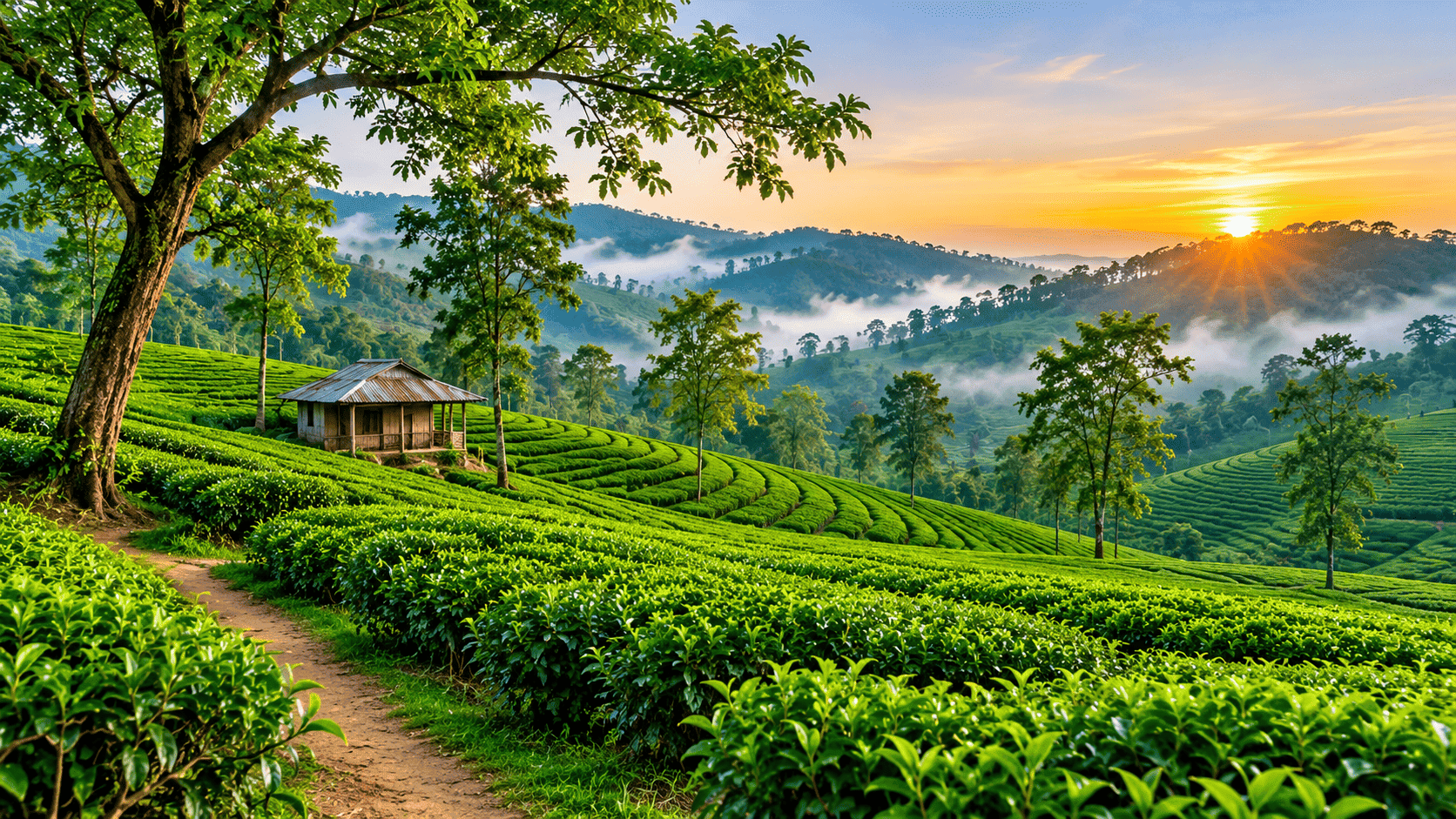
Ever wondered where your morning cup starts? A tea garden visit near Kaziranga answers that. Estates around Kohora and Bokakhat sit on flat green land under tall shade trees, and pluckers work the rows with baskets on their backs. On a guided walk, you’ll learn how leaves are plucked, withered, rolled, fermented and dried, and many places finish with a cup of fresh CTC or orthodox tea. Spring to autumn is the plucking season, so the gardens are busiest then. Buy sealed packets at the factory outlet.
Coffee Plantation Visit: An Unexpected Assam Surprise
Coffee in Assam? Most travellers don’t expect it, which is what makes a coffee plantation visit one of Kaziranga’s nicer surprises. In the Karbi Anglong hills, near the park, small coffee farms grow Arabica and Robusta coffee plants under tall shade trees. You may also see pepper plants growing around the trees. Walk through the farms, see the coffee cherries turning red in winter, and learn how the coffee beans are dried and roasted before they are ready to use. If your host offers a fresh cup at the end, take it. It’s a calm detour from a wildlife-heavy itinerary.
Rubber Plantation Visit: Watch Latex Tapping Up Close
Hardly any Kaziranga itinerary includes it, yet a rubber plantation visit shows you something genuinely different. Slim, straight trees carry little cups under diagonal cuts, catching milky latex that drips through the early morning. Workers will show you how tapping is done, and you can follow the liquid as it’s turned into sheets and dried before heading to factories. The shaded lanes are cool and quiet, good for a stroll or close-up photography. Combine it with a tea or coffee stop, and ask before photographing anyone at work.
Tribal Village Visit: Meet the Communities Around the Park
If you’re curious how people actually live around here, a tribal village visit is one of the most meaningful activities in Kaziranga National Park. Karbi, Mishing and Bodo families call the area home, each community with its own language, bamboo-and-thatch homes, food and festivals. Walk the lanes with a local host, watch a meal being cooked, and ask what it’s like to share your backyard with wild animals. Buying crafts directly puts money in households. Dress modestly, ask before taking pictures, and treat it as a conversation, not a show.
Traditional Weaving Factory Visit: Muga, Eri and Pat Silk
You can read about Assamese weaving, but it makes more sense when you watch it, so a traditional weaving factory visit belongs on a Kaziranga tour. Women work wooden looms to produce mekhela chadors, gamosas and soft silk pieces with motifs taken from nature. You’ll see Muga, Eri and Pat silk up close, can ask about natural dyes, and compare prices without anyone hovering. The money goes straight to local hands. Check labels or ask about authenticity, especially with golden Muga, which is prized and often copied.
Temple Visit Near Kaziranga: Peaceful Spiritual Stops
Not everything on the list of things to do in Kaziranga involves animals. Small village shrines around Kohora and Bokakhat are worth a quiet stop, and in Golaghat district the ruins at Deoparbat hold carved stonework from early medieval Assam. Most temples here are plain, peaceful and free to enter. Take off your shoes at the door, dress conservatively and keep your voice low. Late afternoon is a nice time to go, after a morning safari, when the light has softened, and the air has cooled down a bit.
Cultural Show of Folk Dances: Bihu Evenings in Kohora
After hours on safari, a cultural show of folk dances is a lovely way to wind down. Dancers in bright costumes perform Bihu, Assam’s lively festival dance, plus Bodo and Karbi numbers set to dhol, pepa and gogona. Resorts and cultural centres around Kohora usually host these shows, and they run about an hour. Grab a seat near the front if you want photos. If the dancers wave you in for the last few steps, go for it. It’s one of the friendliest Kaziranga tourism experiences for families and groups.
Ethnic Lunch Experience: Taste Authentic Assamese Food
Eating local food is the best way to know a place, and an ethnic lunch in Kaziranga is a good start. The plate usually comes with rice, dal, mashed potato with a little mustard oil, bamboo shoot and some bitter greens. Fish lovers should try masor tenga, a light curry with a sour kick from lemon or tomato. Tribal homes also cook smoked meat. Pitha, a sweet rice cake, comes at the end. If you don’t eat meat or have an allergy, just tell your host first.
Country Boat Ride on the Brahmaputra River
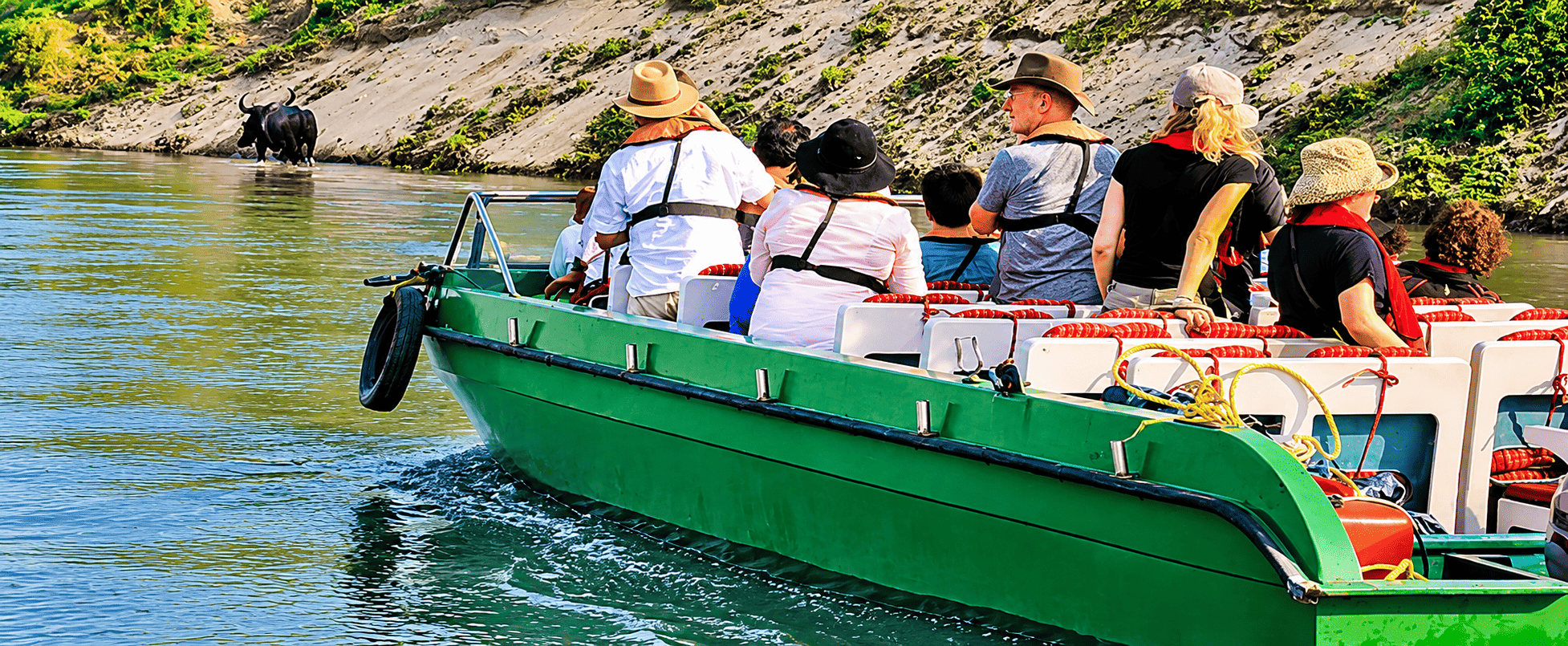
After a long day on safari, a country boat ride on the Brahmaputra River is a nice, slow break. The boat is made of wood and moves gently across the water. You may see fishermen throwing nets and white egrets walking on the sand. Sunset is the best time, when the water looks orange. Rides are offered at places like Silghat, but it depends on the season. Always wear a life jacket and sit still. It’s a good rest after bumpy roads.
Gangetic River Dolphin Watching Near Kaziranga
Spotting a Gangetic river dolphin takes patience, but it’s worth it. The animal is endangered, nearly blind, and comes up only briefly to breathe. Near Silghat on the Brahmaputra, roughly 45 to 50 minutes from Kohora, boat operators take small groups into deeper channels where dolphins are often seen in the cooler months. Watch for a quick grey back and a soft puff of breath. Pick operators who cut their engines near the animals and keep to regulated routes, so your Kaziranga trip helps the river instead of harming it.