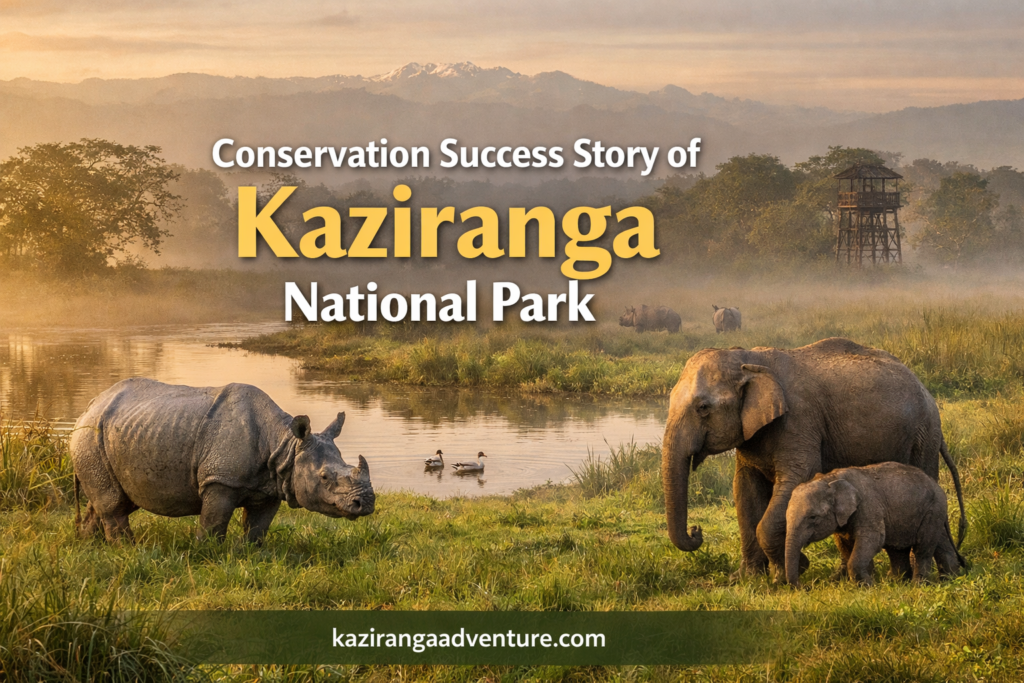
Kaziranga National Park is one of the most successful wildlife conservation areas in India. Located in the state of Assam, this famous national park is known for protecting the endangered Indian one-horned rhinoceros and many other wildlife species.
Today, Kaziranga is recognised across the world as an example of successful wildlife conservation. The park shows how strong protection laws, proper forest management, and cooperation from local communities can help save endangered animals.
Kaziranga National Park is not only important for protecting wildlife, but it is also important for research, tourism, and environmental education. Thousands of visitors, wildlife photographers, and nature lovers visit the park every year to see its beautiful landscapes and amazing wildlife.
The conservation success story of Kaziranga is inspiring because it shows how a small protected forest area gradually grew into one of the most successful wildlife reserves in the world.
Conservation Success Story
Location and Natural Landscape of Kaziranga
Kaziranga National Park is located in north-eastern India, in the state of Assam.
The park lies along the southern banks of the Brahmaputra River, one of the largest
rivers in Asia.
The national park covers more than 800 square kilometres and continues to expand as new areas are added for conservation.
The landscape of Kaziranga is very unique and supports a wide variety of wildlife. The park features several types of natural habitats, including the following:
● Tall elephant grasslands
● Tropical forests
● Wetlands and marshes
● Small lakes and water bodies
● River channels and sandbars
These different habitats provide food, shelter, and breeding areas for many animals and birds.
The grasslands of Kaziranga are among the tallest in the world, sometimes growing over 5 metres high. These grasslands provide the perfect environment for animals such as rhinos, deer, and elephants.
Water bodies and wetlands attract many birds and aquatic animals. During the rainy season, the Brahmaputra River floods parts of the park, which helps maintain the ecosystem by adding nutrients to the soil.
Early History of Kaziranga
Long before Kaziranga became a national park, the region was a natural forest and grassland area filled with wildlife. Local communities lived close to the forest and coexisted with many wild animals in the surrounding landscape.
In the late 19th century, hunters and explorers noticed that the area had a large population of the Indian one-horned rhinoceros.
However, during that time, rhinos were heavily hunted for sport and for their horns. Because of hunting and habitat loss, the number of rhinos started to decline quickly.
By the early 1900s, only a small number of rhinos remained in the region. This situation worried many people who cared about wildlife conservation.
Role of Mary Curzon in Protecting Kaziranga
The first major effort to protect Kaziranga happened when Mary Curzon visited the region.
Mary Curzon was the wife of Lord Curzon. During her visit to Assam, she wanted to see the famous one-horned rhinoceros.
However, she was surprised to learn that rhinos had become very rare because of excessive hunting.
Concerned about the future of these animals, Mary Curzon strongly encouraged the government to protect the region. Her efforts helped bring attention to the need for wildlife conservation in Kaziranga.
Creation of Kaziranga Reserve Forest
In 1905, the government declared Kaziranga as a protected reserve forest. This decision helped protect the remaining rhinos and other wildlife.
At that time, the protected area was relatively small. However, it was an important first step toward wildlife conservation.
Over the years, the protected area slowly expanded, as authorities realised the importance of preserving the region’s biodiversity.
Forest officers began monitoring wildlife and controlling hunting activities.
These early protection efforts helped stabilise the rhino population and prevent its extinction.
Development into a National Park
As the importance of Kaziranga continued to grow, the government increased its protection status.
In 1974, Kaziranga was officially declared a national park. This provided stronger legal protection for wildlife and forests.
National park status meant that hunting was completely banned and human activities were strictly controlled.
Forest officials increased their conservation efforts by improving patrol systems, protecting habitats, and monitoring wildlife populations.
These actions helped protect not only rhinos but also many other species living in the park.
UNESCO World Heritage Recognition
Because of its incredible biodiversity and successful conservation programs, Kaziranga has received international recognition.
since 1985, UNESCO declared a World Heritage Site Kaziranga National Park.
This recognition highlighted the park’s importance for global wildlife conservation.
UNESCO recognises Kaziranga for its unique ecosystem, diverse wildlife, and strong efforts to protect endangered species.
The World Heritage status also helped attract more international attention, research opportunities, and conservation funding.
Protection of the One-Horned Rhinoceros
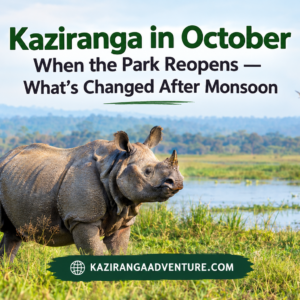
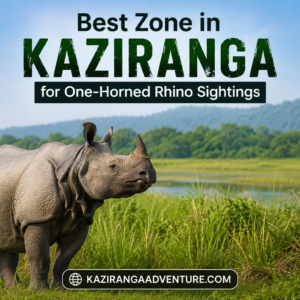
The most famous animal of Kaziranga National Park is the Indian one-horned rhinoceros.
This species once lived across large parts of northern India and Nepal. However, due to hunting and habitat destruction, their population decreased dramatically.
At the beginning of the 20th century, only a few dozen rhinos remained in Kaziranga.
Thanks to strict protection measures, the rhino population gradually increased, reaching several thousand individuals by the early 21st century.
Today, Kaziranga has the largest population of one-horned rhinoceroses in the world.
Thousands of rhinos now live safely in the park.
This recovery is considered one of the greatest wildlife conservation successes in the world.
Other Wildlife of Kaziranga
Although rhinos are the main attraction, Kaziranga is home to many other animals.
The park supports a healthy ecosystem with a balanced food chain between predators and prey.
Some important animals found in the park include:
● Bengal Tiger
● Indian Elephant
● Wild Water Buffalo
● Leopard
● Swamp Deer
● Hog Deer
● Wild Boar
● Hoolock Gibbon
Kaziranga is also an important habitat for the Royal Bengal Tiger, and the park has one of the highest tiger densities in India.
Elephants move freely through the forests and grasslands, while wild water buffalo are People often spot them near wetlands.
Birdlife in Kaziranga
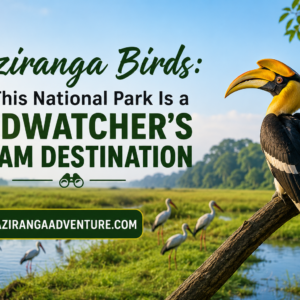
Kaziranga is also a paradise for bird lovers.
The park is home to more than 480 bird species, making it one of the best bird-watching destinations in India.
Some common birds found in Kaziranga include:
● Indian Peafowl
● Grey-headed Fish Eagle
● Crested Serpent Eagle
● Oriental Honey Buzzard
● Indian Pitta
● Pelicans
● Storks
During winter, many migratory birds arrive from Central Asia and Europe.
Because of its rich bird diversity, Kaziranga is recognised as an Important Bird Area for conservation.
Anti-Poaching Efforts
One of the biggest threats to rhinos is poaching. Rhino horns are illegally traded in some parts of the world, which makes rhinos a target for poachers.
To protect wildlife, Kaziranga has strong anti-poaching measures.
Forest guards patrol the park day and night to prevent illegal hunting.
The park uses modern technology such as:
● Camera traps
● GPS tracking
● Drones
● Wireless communication systems
These tools help forest officials monitor wildlife movements and detect suspicious activities.
Strict law enforcement has played a major role in protecting rhinos and other animals.
Role of Local Communities
Local communities living near Kaziranga also play an important role in conservation.
Many locals now participate in ecotourism and conservation programs.
Some villagers work as
● Safari guides
● Forest guards
● Lodge staff
● Wildlife trackers
These opportunities help local people earn income while supporting wildlife protection.
Education and awareness programs also help communities understand the importance of protecting forests and wildlife.
When local communities benefit from conservation, they become strong supporters of preserving nature.
Wildlife Tourism in Kaziranga
Kaziranga National Park is a popular destination for wildlife tourism.
Visitors come from all over the world to experience the park’s natural beauty and observe wildlife.
Tourists can explore the park through:
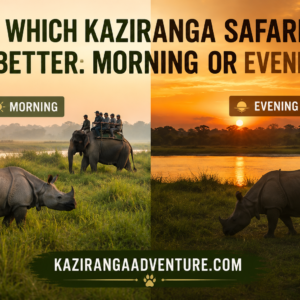
● Jeep safaris
● Elephant safaris
● Bird-watching tours
● Nature photography tours
The best time to visit Kaziranga is between November and April, when the weather is enjoyable, and wildlife sightings are more common.
Wildlife tourism also helps support conservation by generating funds for park management and community development.
Challenges in Conservation
Despite its success, Kaziranga still faces several conservation challenges.
One major challenge is seasonal flooding caused by the Brahmaputra River. Although floods help maintain the ecosystem, extreme floods can sometimes harm wildlife.
Another challenge is human-wildlife conflict. As villages grow closer to the park boundaries, animals sometimes enter agricultural areas.
Forest officials work continuously to manage these challenges through better planning and conservation strategies.
Importance of Kaziranga for Global Conservation
Kaziranga National Park is not only important for India but also for global wildlife conservation.
The park protects several endangered species and preserves a unique ecosystem.
By saving the one-horned rhinoceros from extinction, Kaziranga has become an international symbol of conservation success.
Scientists and conservationists from around the world study Kaziranga’s management practices to learn how wildlife populations can be protected.
Conclusion
The conservation success story of Kaziranga National Park is truly inspiring.
From a small protected reserve in the early 1900s to a globally recognised wildlife sanctuary, Kaziranga has shown that dedicated conservation efforts can save endangered species.
The recovery of the Indian one-horned rhinoceros is one of the greatest
One of the greatest achievements in wildlife conservation history is the recovery of the Indian one-horned rhinoceros.
Today, Kaziranga continues to protect wildlife, support local communities, and educate people about the importance of nature conservation.
With continued protection, responsible tourism, and community participation, Kaziranga National Park will remain a safe home for rhinos and many other species for generations to come.