When it comes to learning successful wildlife conservation practices in India, Kaziranga National Park often becomes a natural choice. Recently, a 23-member team from the Wokha Forest Division in Nagaland got the opportunity to experience this firsthand. The visit was not just a tour but a learning journey focused on understanding how effective conservation, eco-tourism, and community participation work together.
Wokha Forest Tours Kaziranga
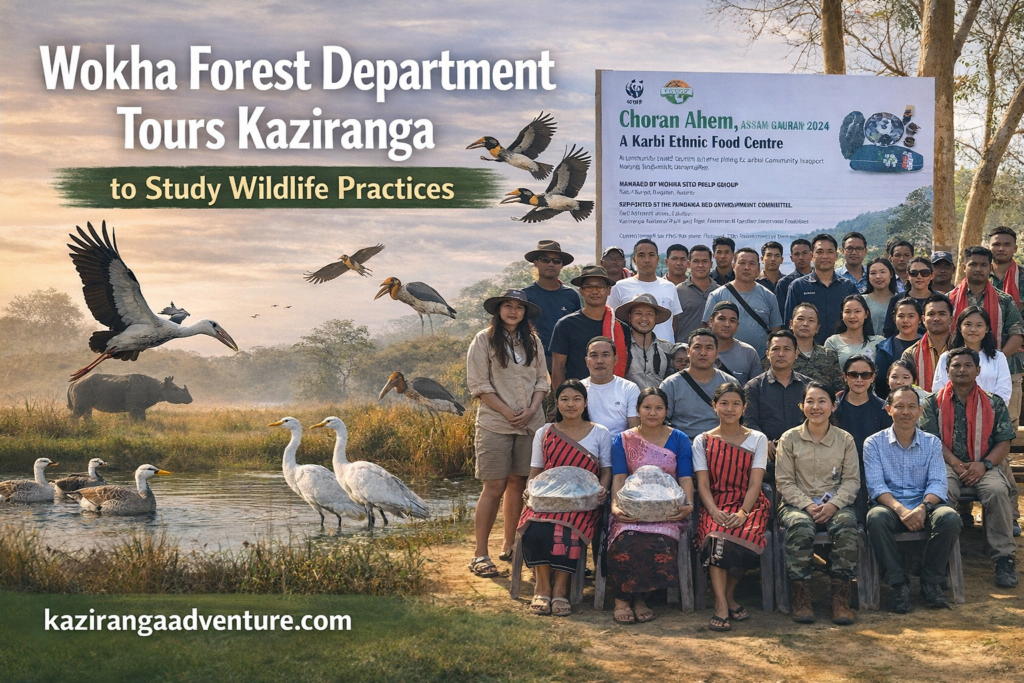
The Wokha Forest team visited Kaziranga National Park from March 18 to 20 as part of the Forest and Biodiversity Management in the Himalaya (Nagaland) Project. Led by Range Forest Officer Lansothung Lotha, the group included members from Community Conserved Areas (CCAs) across five villages—Thenhyayan, Ronren, Makharung, Yanthanro, and Mmhayan. Their main aim was simple yet important: to observe and learn from one of India’s most successful wildlife conservation models.
On the first day, the team explored the Orchid Park near Kaziranga. This visit gave them a closer look at the region’s rich plant diversity and how it is being preserved alongside tourism. The Orchid Park is not just about flowers; it represents how eco-tourism in Kaziranga supports conservation while also creating awareness among visitors. For the Wokha team, it was a strong example of how natural beauty can be protected and used responsibly to generate income.
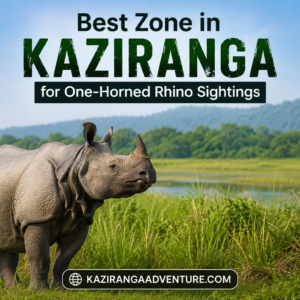
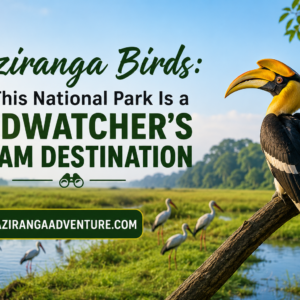
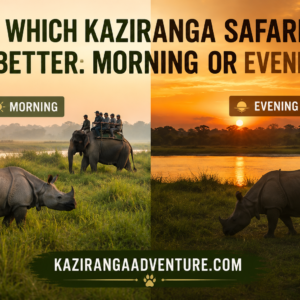
The second day brought one of the most exciting experiences—a jeep safari in the Bagori Range of Kaziranga National Park. Early morning Kaziranga safaris are always special here, and the team witnessed the beauty of Kaziranga’s grassland ecosystem. They spotted iconic wildlife species such as the Indian rhinoceros, Asian water buffalo, swamp deer, hog deer, and wild pigs. Along with mammals, the park also impressed them with its birdlife. Species like the spot-billed pelican, black-headed ibis, bar-headed goose, and spotted owl added to the experience.
This part of the visit clearly showed why Kaziranga is considered one of the best wildlife tourism destinations in India. The park’s biodiversity and well-managed safari system offer visitors a chance to connect with nature while ensuring minimal disturbance to wildlife.
One of the most important highlights of the visit was the interaction with the Natundanga Eco-Development Committee (EDC). This meeting gave the Wokha Forest team a real understanding of community-based conservation in Kaziranga. They interacted with EDC President Mangal Singh Teron, committee members, and representatives from the Ingnam Self-Help Group.
The discussion took place at the Karbi Ethnic Food Centre, which itself is a great example of sustainable tourism. Here, the team learned how local communities are actively involved in conservation efforts while also earning livelihoods. Initiatives like ethnic food tourism not only promote local culture but also support women-led businesses. This model reduces dependence on forest resources and encourages people to protect wildlife instead of exploiting it.
Such community participation in wildlife conservation is one of the key reasons behind Kaziranga success. For the visiting team, this was a valuable lesson that conservation is not just about protecting animals but also about supporting the people living around forests.
The team also visited the Burapahar Range of Kaziranga, where they explored more forest areas and spotted additional wildlife. Sightings included sambar deer, oriental pied hornbill, Pallas’s fish eagle, and the rare greater adjutant. These experiences helped them understand how different safari zones of the park support different species and habitats.
On the final day, a feedback and debriefing session was held. Members of the Wokha Forest team shared their thoughts and experiences from the visit. Many participants mentioned that the exposure visit was both informative and inspiring. It helped them see how proper planning, community involvement, and sustainable tourism can work together to protect forests.
They also highlighted the importance of eco-development activities in reducing human pressure on forests. By creating alternative livelihood options, local communities can become partners in conservation rather than depending heavily on forest resources.
The entire programmed was facilitated by retired Range Forest Officer and consultant ranger Pradip Goswami, while EDC member Karno Tanti guided the team throughout the visit. Their support ensured that the team could understand Kaziranga conservation model in a practical and meaningful way.
Overall, the Wokha Forest team Kaziranga visit stands as a great example of how knowledge sharing between regions can strengthen conservation efforts across India. Learning from successful models like Kaziranga National Park can help other forest divisions improve their own strategies.
In today’s time, where environmental challenges are increasing, such exposure visits play an important role. They not only build awareness but also inspire new ideas for protecting wildlife and supporting local communities.
Kaziranga continues to set an example in wildlife conservation, eco-tourism, and community participation. And visits like these ensure that its success story reaches far beyond Assam, helping shape the future of conservation in other parts of the country as well.