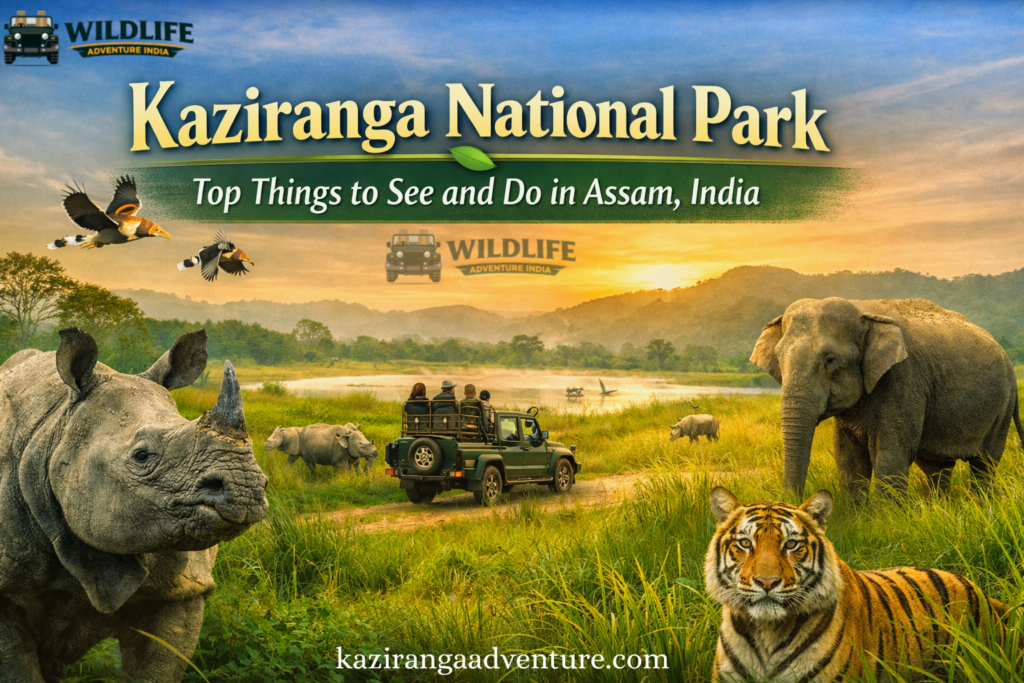
Kaziranga National Park, situated on the fertile floodplains of the Brahmaputra River in Assam, is one of India’s most iconic wildlife sanctuaries. A UNESCO World Heritage Site, it is world-famous for the Indian one-horned rhinoceros, but its ecological richness extends far beyond this single species. The park is home to Bengal tigers, Asian elephants, swamp deer, wild water buffalo, and more than 450 species of birds, making it a paradise for wildlife enthusiasts, photographers, adventure travellers, and eco-tourists alike.
Spanning over 430 square kilometres, Kaziranga encompasses a unique mix of wetlands, tall grasslands, and dense forests, providing habitats for some of the most endangered species in India. Kaziranga offers more than just wildlife encounters—it immerses visitors in Assamese culture, traditional village life, and lush tea gardens, creating a unique journey that combines nature, adventure, and local traditions. This guide is designed to help you plan a memorable trip, highlighting the best activities, wildlife encounters, and cultural experiences in and around Kaziranga National Park.
Take a Jeep Safari
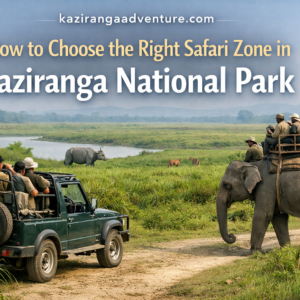
The park is divided into four main ranges—Central, Western, Eastern, and Burapahar—each providing unique wildlife experiences and scenic views, making it a must-do activity for nature lovers and adventure travelers in Assam.
- Central Range (Bagori): The most visited range, perfect for spotting Indian one-horned rhinos, elephants, swamp deer, and wild boars.
- Western Range (Kohora): Known for open grasslands, waterholes, and occasional Bengal tiger sightings.
- Eastern Range (Agoratoli): Less crowded and ideal for birdwatching, photography, and observing migratory birds.
- Burapahar Range: Hilly and forested, home to wild water buffalo, elephants, and deer, offering a quieter, offbeat experience.
Tips for Jeep Safaris:
- Schedule your safari early morning (5:30–9:00 AM) or late afternoon (2:30–5:00 PM) when animals are most active.
- Hire a trained local guide who can help identify animals and explain their behaviours.
- Wear neutral-coloured clothing to blend with the surroundings.
- Carry binoculars and a zoom camera to capture detailed close-up shots of wildlife.
- Be patient—wildlife sightings often require quiet observation and time.
A jeep safari gives you the flexibility to explore different habitats, from grasslands where rhinos graze to forested areas where elephants roam, ensuring a diverse and unforgettable wildlife experience.
Read Also : Top Kaziranga Safari Adventure: Elephant and Gypsy Safari
Enjoy an Elephant Safari
For a closer and more personal wildlife experience, opt for an elephant safari. Riding an elephant allows you to move silently through tall grasslands and wetlands, giving you a unique vantage point to observe animals closely without disturbing them.
- Central Range Adventures: Elephant safaris are mostly conducted in the Central Range, where the iconic Indian one-horned rhinoceroses are frequently spotted in their natural habitat.
- Sunrise Photography: Early morning elephant rides in Kaziranga capture rhinos, elephants, and wildlife in misty grasslands bathed in golden sunlight.
- Unforgettable Eco-Tourism: Elephant safaris blend adventure, wildlife spotting, and photography, offering a serene way to connect with Kaziranga’s wetlands, forests, and grasslands.
Tip: Elephant safaris are limited, so book in advance, especially during peak season (November to April).
This type of safari not only provides excellent wildlife sightings but also allows travellers to experience the park’s sounds, scents, and environment in a way that jeep safaris cannot.
Spot the Indian One-Horned Rhinoceros
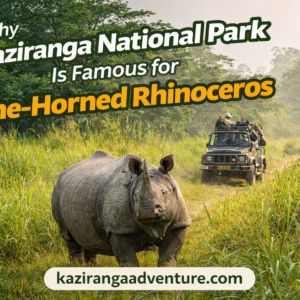
Kaziranga is home to over 2,400 Indian one-horned rhinoceroses, the largest population in the world. These magnificent creatures can be seen:
- Grazing near waterholes
- Moving through tall elephant grass
- Resting in mud pools to stay cool during the heat of the day
A guided safari not only increases your chances of spotting rhinos but also provides valuable information about their behaviour, diet, mating habits, and conservation status. Conservation efforts in Kaziranga have helped protect these rhinos from poaching, providing a glimpse into a successful wildlife preservation story.
Birdwatching in Kaziranga
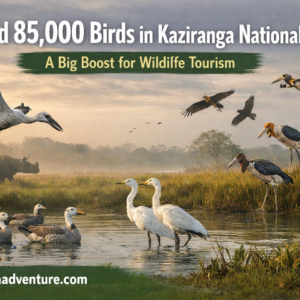
Kaziranga is a birdwatcher’s paradise, hosting more than 450 bird species, including both resident and migratory birds. The rivers, wetlands, and forests of Kaziranga create rich and varied habitats, attracting numerous bird species, including:
- Whistling teal
- Lesser adjutant stork
- Crested serpent eagle
- Hornbills, pheasants, and kingfishers
Birdwatching Tips:
- Visit early morning for the best chance to see active birds.
- Bring along binoculars and a camera equipped with a telephoto lens for the best wildlife viewing and photography.
- Walk gently and maintain silence to avoid startling the birds.
Kaziranga is particularly attractive to photographers and ornithologists, as it offers opportunities to capture rare and endangered species in their natural habitats.
Explore the Kaziranga Forest Museum.
The Kaziranga Forest Museum provides a detailed introduction to the park’s biodiversity, wildlife conservation efforts, and research initiatives.
- The museum displays carefully preserved specimens of rhinos, tigers, swamp deer, and elephants for educational and conservation purposes.
- Educational displays explaining flora, fauna, and ecosystems
- Information about anti-poaching programmes and ecological research
Go on a Nature Walk
Discover Kaziranga National Park like never before with guided nature walks. Immerse yourself in a serene, eco-friendly journey through hidden corners and offbeat areas that are beyond the reach of jeeps and elephants. These guided trails are perfect for nature lovers, eco-tourists, and wildlife photographers, offering an immersive eco-tourism experience in Assam and a close connection with the park’s rivers, forests, grasslands, and wetlands.
During a nature walk:
- Spot small mammals, reptiles, amphibians, and birds up close
- Learn about medicinal plants, local flora, and wetland ecosystems.
- Take close-up photographs of wildlife and plants.
Visit Assamese Villages and Tea Gardens
The areas surrounding Kaziranga offer visitors a glimpse into Assamese culture and traditional lifestyles.
Activities to Experience:
- Observe handicrafts, weaving, and bamboo work
- Taste local Assamese cuisine, including fresh fish, pithas (rice cakes), and tea.
- Learn about rural life along the Brahmaputra, including farming and fishing practices.
Many tour operators combine wildlife and cultural experiences, giving visitors a complete insight into Assam’s heritage and traditions.
Practical Tips for Visiting Kaziranga
- Best Time to Visit: November to April; the park closes during monsoon season (June–September) due to flooding.
- Accommodation: Eco-lodges, resorts, and government guesthouses; riverfront stays offer scenic views and easy access to the park.
- Safari Booking: Reserve jeep and elephant safaris well in advance, especially in the Central Range.
- Visitor Guidelines: Stay quiet, avoid feeding wildlife, do not use flash photography, and always follow your guide’s instructions.
Why You Should Visit Kaziranga
Kaziranga National Park is more than just a wildlife sanctuary—it’s an immersive nature adventure. From jeep and elephant safaris to birdwatching, nature walks, and cultural experiences, it offers a complete ecotourism journey in Assam.
Visiting Kaziranga allows travellers to:
- Witness rare and endangered species in their natural habitats
- Explore diverse ecosystems, including wetlands, grasslands, and forests.
- Experience the natural beauty and ecological richness of Assam.
- Learn about local culture and traditions in nearby villages and tea estates.
Kaziranga is one of India’s most unforgettable wildlife destinations, combining adventure, nature, and cultural exploration in a single trip.
Conclusion: Why Kaziranga National Park Should Be on Your Travel List
Kaziranga National Park is much more than a typical wildlife destination—it is a thrilling yet serene journey into the heart of nature. The park offers a rare opportunity to witness some of the world’s most endangered species, including the iconic Indian one-horned rhinoceros, majestic Bengal tigers, massive Asian elephants, and wild water buffalo, all thriving in their natural habitats. For birdwatchers, Kaziranga is a true paradise, with over 450 bird species, including hornbills, migratory waterfowl, and eagles, providing endless opportunities for photography and nature observation.
Visitors can experience the park in multiple ways. Jeep safaris allow you to traverse the grasslands and forests to spot wildlife from a comfortable vantage point, while elephant safaris provide a quieter, more intimate encounter with animals in their natural environment. For those seeking a slower pace, guided nature walks open up the park’s hidden corners, revealing small mammals, reptiles, amphibians, and the diverse flora that supports the entire ecosystem.
Kaziranga is famous for the Indian one-horned rhinoceros and also houses tigers, elephants, swamp deer, wild buffalo, and over 450 bird species.
Visitors can experience Kaziranga through jeep safaris, elephant rides, or guided nature walks, each offering a unique and closer look at the park’s wildlife and plant life.
The best time isfrom November to April. The park is closed during the monsoon (June–September).
Visit Assamese villages and tea gardens, try local food, and learn about rural life along the Brahmaputra River.
Book safaris in advance, stay quiet, don’t feed animals, avoid flash photography, and follow guides’ instructions.