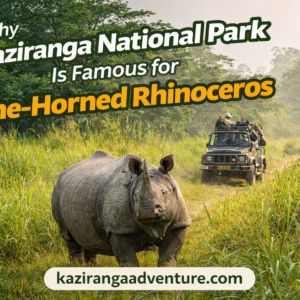
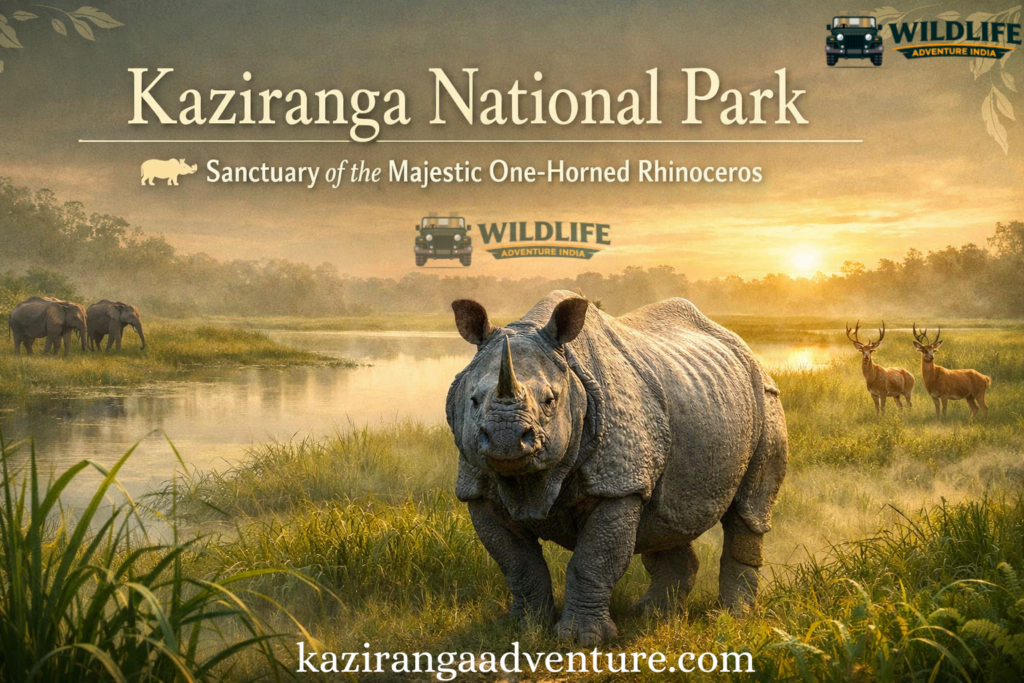
Kaziranga National Park in Assam, India, is one of the world’s most celebrated wildlife sanctuaries. Recognised globally for its rich biodiversity and successful conservation programmes, it stands as a shining example of India’s commitment to preserving wildlife. As a UNESCO World Heritage Site,Kaziranga National Park – Sanctuary of the Majestic One-Horned Rhinoceros provides a sanctuary to endangered species, most famously the Indian one-horned rhinoceros. Every year, wildlife enthusiasts, photographers, and nature lovers from across the globe visit Kaziranga to witness its breathtaking landscapes, lush grasslands, and wetlands teeming with life—all while observing the majestic rhinos roaming freely in their natural habitat.
History and Significance of Kaziranga National Park
Kaziranga’s journey as a protected area began in 1905, when it was declared a reserved forest. By 1916, it became a wildlife sanctuary, and in 1974, it achieved the status of a national park. Over the decades, Kaziranga has become a model for wildlife preservation, particularly for the Indian one-horned rhinoceros, which faced near extinction due to hunting and habitat loss.
The name “Kaziranga” is derived from the Karbi word Kazi, meaning river, highlighting the Brahmaputra River and its tributaries, which form fertile floodplains and wetlands. These waterways support not only rhinos but also elephants, swamp deer, wild water buffalo, and over 450 species of birds. This combination of lush landscapes and rich biodiversity makes Kaziranga National Park – Sanctuary of the Majestic One-Horned Rhinoceros a unique and invaluable conservation area in India.
The One-Horned Rhino: A Conservation Success Story
The Indian one-horned rhinoceros is the park’s most iconic inhabitant. Once nearly extinct, these rhinos have rebounded due to decades of rigorous conservation efforts. Today, Kaziranga is home to over 2,400 rhinos, the largest population in the world. Known for their thick, armour-like skin, single horn, and massive size—sometimes weighing up to 2,200 kilograms—these animals are both impressive and gentle herbivores, feeding on grass, shrubs, and aquatic plants.
Conservation programmes at Kaziranga include:
- Anti-poaching patrols and armed monitoring.
- Habitat restoration, including grassland and wetland preservation.
- Breeding programmes to maintain a healthy population.
- Community engagement initiatives to promote local participation in conservation.
Visitors witnessing these rhinos grazing freely in floodplains experience firsthand why Kaziranga National Park – Sanctuary of the Majestic One-Horned Rhinoceros is considered a must-visit destination.
Wildlife Diversity in Kaziranga National Park
While the rhinos are the star attraction, Kaziranga boasts remarkable biodiversity:
- Bengal tigers: Protected within the park’s tiger reserve, providing a rare opportunity to spot one of India’s most iconic predators.
- Asian elephants: Herds roam freely, often crossing rivers or grazing in tall grasses.
- Swamp deer and wild water buffalo: Maintain ecological balance and support the food chain.
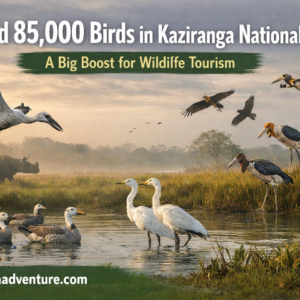
- Birdlife: Over 450 species, including migratory birds like the greater adjutant stork, pelicans, and peregrine falcons.
- Other species: leopard cats, fishing cats, sloth bears, monitor lizards, and several reptiles.
The diversity of Kaziranga ensures a balanced ecosystem, where predators and herbivores coexist in harmony. Its mixture of floodplain grasslands, tropical forests, and freshwater wetlands has made Kaziranga National Park – Sanctuary of the Majestic One-Horned Rhinoceros a premier destination for wildlife enthusiasts, researchers, and conservationists worldwide.
Ecosystem and Habitat
Kaziranga’s landscape is shaped by alluvial plains, marshlands, tall elephant grass, and river systems. Seasonal flooding of the Brahmaputra River enriches the soil, replenishes nutrients, and maintains grasslands for grazing animals. Forested areas provide shelter for tigers, leopards, and birds, while wetlands serve as breeding grounds for aquatic species, amphibians, and migratory birds.
This diverse ecosystem allows for the survival of endangered species, including the one-horned rhino, swamp deer, and Asiatic elephants. Its preservation makes Kaziranga a crucial site for ecological research and environmental education.
Tourist Activities and Wildlife Safari
Kaziranga offers a variety of wildlife experiences for visitors:
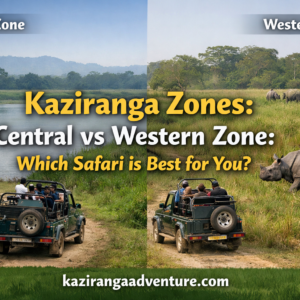
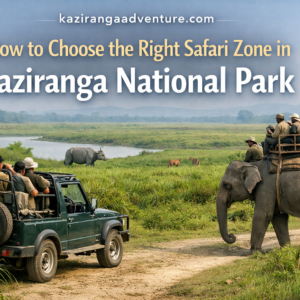
- Jeep safaris: Traverse vast grasslands, spotting rhinos, tigers, elephants, and a variety of bird species.
- Elephant safaris: Get a closer view of rhinos in dense areas while maintaining safety.
- Birdwatching tours: Discover resident and migratory birds in their natural habitat.
- Nature walks and photography tours: Guided tours provide knowledge about the ecosystem and allow photographers to capture wildlife moments.
For bookings and detailed safari options, visit Kaziranga Adventure Safari. Every tour reinforces why Kaziranga National Park – Sanctuary of the Majestic One-Horned Rhinoceros is a world-renowned wildlife destination.
Best Time to Visit Kaziranga National Park
The ideal period to visit Kaziranga is from November to April, when wildlife is more visible due to shorter grasslands. Early morning and late afternoon safaris are best for sightings of rhinos, elephants, and tigers.
The monsoon season (June to September) brings heavy floods but revitalises the grasslands and wetlands. For a detailed seasonal guide and tips for planning your trip, see Best Time to Visit Kaziranga.
Conservation Efforts and Anti-Poaching Measures
Kaziranga’s rhino population thrives due to effective conservation strategies:
- Continuous patrols by armed forest officials.
- Use of drones, camera traps, and monitoring technologies for early detection of poaching.
- Community engagement programmes promoting ecotourism and local stewardship.
- Habitat restoration projects, including reforestation and wetland conservation.
These initiatives ensure Kaziranga National Park, home of the majestic one-horned rhino, remains a global example of wildlife conservation, inspiring similar programmes throughout India.
Local Culture and Tourism in Assam
Visiting Kaziranga also offers a rich cultural experience. Assam is known for:
- Handloom textiles and traditional crafts.
- Festivals like Bihu celebrate nature, agriculture, and community.
- Tea gardens and river cruises offer picturesque landscapes.
Ecotourism ensures that tourism benefits local communities while protecting the park’s fragile ecosystem.
Why Kaziranga National Park is a Must-Visit
- Largest population of one-horned rhinos globally.
- UNESCO World Heritage Site with extraordinary biodiversity.
- World-class wildlife safari experiences.
- Eco-tourism and community-based conservation.
A visit to Kaziranga National Park – Sanctuary of the Majestic One-Horned Rhinoceros provides an unforgettable blend of adventure, wildlife observation, and support for conservation efforts.
Safari Tips for Visitors
- Dress in neutral, lightweight colours to avoid disturbing wildlife.
- Carry binoculars and cameras for photography and birdwatching.
- Follow park rules and maintain safe distances from animals.
- Book safaris in advance, especially during peak season.
- Bring water, snacks, and sunscreen for comfort during long tours.
Following these tips enhances the safari experience and ensures sustainable tourism practices.
Ecotourism and Community Involvement
Kaziranga is a model for ecotourism, benefiting both wildlife and local communities. Programmes employ local guides, promote handicrafts, and support conservation initiatives. Community involvement ensures the park thrives not only as a wildlife sanctuary but also as a source of sustainable livelihood.
Educational Opportunities
Kaziranga serves as a centre for wildlife education and research. Universities, NGOs, and conservation organisations conduct studies on rhino behaviour, habitat management, and biodiversity. Students and visitors gain firsthand knowledge of conservation challenges and strategies, enhancing awareness and advocacy for endangered species.
Interesting Facts About Kaziranga
- Kaziranga hosts over 2,400 one-horned rhinos, the largest population in the world.
- The park is home to more than 50% of India’s swamp deer population.
- Kaziranga has been a UNESCO World Heritage Site since 1985.
- It has been declared a tiger reserve under Project Tiger.
- Seasonal floods enrich the park’s ecosystem, providing fertile grazing lands.
These unique features make Kaziranga a natural wonder in northeastern India.
The Future of Kaziranga National Park
Kaziranga continues to evolve as a centre for conservation excellence. Climate change, human encroachment, and poaching remain challenges. However, ongoing research, government initiatives, and community engagement ensure that Kaziranga remains a sanctuary for future generations. Protecting this park guarantees that the majestic one-horned rhinoceros and other species continue to thrive.
Conclusion
Kaziranga National Park exemplifies the success of conservation, ecotourism, and community involvement. From rhinos and tigers to elephants and over 450 bird species, it provides an unparalleled glimpse into India’s wildlife. Protecting this ecosystem ensures that future generations can witness these majestic animals in their natural habitat. A visit to Kaziranga National Park – Sanctuary of the Majestic One-Horned Rhinoceros is not just a safari—it is a life-changing experience connecting visitors with wildlife, nature, and culture.
It is famous for the Indian one-horned rhinoceros and its rich biodiversity.
The best place is Kaziranga National Park, Assam.
November to April, for optimal wildlife spotting.
Tigers, elephants, rhinos, swamp deer, water buffalo, and over 450 bird species.
Jeep safaris, elephant safaris, birdwatching tours, and guided walks.
Anti-poaching patrols, drone monitoring, habitat restoration, and community programmes.