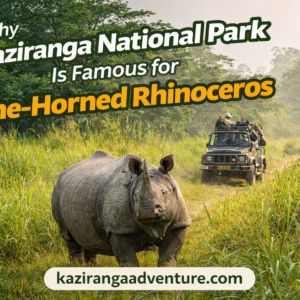
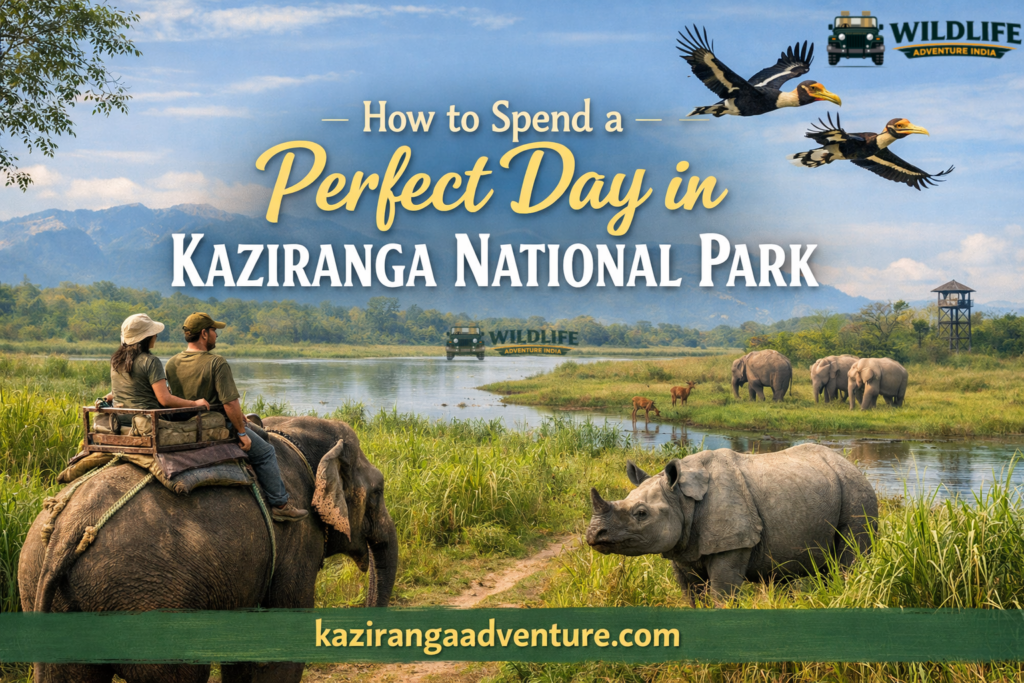
Kaziranga National Park is one of the most beautiful and famous wildlife destinations in India. Located in the state of Assam, this national park is known all over the world for protecting the rare one-horned rhinoceros. Kaziranga is not just a forest; it is a place where nature lives freely, animals move peacefully, and visitors feel close to the wild.
If you love wildlife, nature, fresh air, and calm surroundings, spending a day in Kaziranga National Park can be a life-changing experience. From early-morning safaris to quiet sunsets, every moment here feels special. This detailed guide will help you understand how to spend a perfect full day in Kaziranga National Park, step by step.
Kaziranga National Park is a UNESCO World Heritage Site and one of the best wildlife parks in Asia. The park is spread across vast grasslands, wetlands, forests, and rivers. It is home to many animals, such as one-horned rhinoceroses, elephants, wild water buffalo, swamp deer, tigers, and more than 500 species of birds.
What makes Kaziranga special is its natural beauty and peaceful environment. Tall elephant grass, flowing rivers, open plains, and misty mornings create a magical atmosphere. A single day in Kaziranga offers adventure, learning, relaxation, and unforgettable memories.
Early Morning: Wake Up Close to Nature
A perfect day in Kaziranga starts very early. Wake up between 4:30 and 5:00 AM. Early mornings in Kaziranga are calm, cool, and full of natural sounds. You may hear birds singing, leaves rustling, and distant animal calls.
The air feels fresh and clean, and the sky slowly changes colour as the sun rises. This early start is important because wildlife is most active in the morning.
Have a light tea or coffee at your hotel or lodge, wear comfortable clothes, and get ready for your first adventure of the day.
Early Morning Safari: Elephant Safari Experience
The best way to begin your day in Kaziranga is with an elephant safari. Elephant safaris usually start between 5:30 and 6:00 AM and are one of the highlights of visiting Kaziranga.
Riding on the back of a trained elephant is safe and exciting. The elephants move slowly through tall grasslands, allowing you to get very close to wildlife without disturbing them.
What You Can See During an Elephant Safari
- One-horned rhinoceros at a close distance
- Swamp deer and hog deer
- Wild buffalo
- Many birds are resting in the grass
- Beautiful morning mist over the grasslands
This safari gives you a peaceful and natural feeling. The soft movement of the elephant, the fresh morning air, and the golden sunrise make this moment unforgettable. It is also the best time for wildlife photography.
Morning Light and Photography Time
After the elephant safari, spend some time enjoying the morning beauty. The early sunlight falling on the grasslands creates stunning views. The mist slowly disappears, and the park looks fresh and alive.
This is a perfect time to click photos of:
- Grasslands and wetlands
- Birds flying across the sky
- Rhinos resting peacefully
- Natural landscapes
Even if you are not a professional photographer, the beauty of Kaziranga makes every photo special.
Breakfast Break: Relax and Refresh
After returning from the elephant safari, head back to your hotel or lodge for breakfast. Most hotels near Kaziranga serve simple, healthy, and local food.
Typical Breakfast Options
- Fresh fruits
- Eggs and toast
- Paratha or rice-based dishes
- Tea or coffee
Enjoy your breakfast slowly while sitting in a calm environment. Many lodges are surrounded by greenery, making breakfast time very peaceful.
After breakfast, take some rest. A short break helps you relax before the next adventure.
Late Morning: Jeep Safari Inside the Park
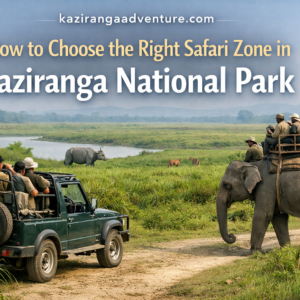
The next exciting part of your day is the jeep safari. Jeep safaris usually take place between 9:00 AM and 11:00 AM. This safari allows you to cover a wider section of Kaziranga National Park, allowing you to explore more diverse landscapes and increase your chances of spotting wildlife.
A trained forest guide accompanies every jeep safari. The guide shares information about animals, plants, and the park’s history.
Animals You May See on a Jeep Safari
- One-horned rhinoceros
- Asian elephants
- Wild water buffalo
- Swamp deer
- Wild boar
- Different bird species
The jeep moves through different zones of the park, including grasslands, forest areas, and wetlands. Every turn brings a new view and a new surprise.
Tips for Jeep Safari
- Stay quiet and follow the guide’s instructions.
- Do not feed or disturb animals.
- Keep cameras ready
- Enjoy the natural surroundings.
Late Morning: Learning About Kaziranga’s Ecosystem
After the jeep safari, you will have a better understanding of Kaziranga’s rich ecosystem. The park plays an important role in wildlife conservation, especially in protecting endangered species.
Kaziranga’s wetlands support many migratory birds, and its grasslands provide food and shelter to large animals. Learning about this balance between nature and wildlife makes the visit more meaningful.
Afternoon: Lunchtime and Relaxation
By afternoon, you may feel tired after the morning activities.
What to Eat for Lunch
Try Assamese local food if available. Assamese meals are simple, healthy, and flavourful.
Common Assamese dishes include:
- Rice with lentils
- Fresh vegetables
- Fish curry
- Mild spices
After lunch, it is best to rest for some time. Afternoon temperatures can be warm, and wildlife activity is low during this time.
Afternoon: Explore Local Villages and Culture
If you still have energy, you can spend part of the afternoon visiting nearby villages around Kaziranga. These villages give you a chance to understand local Assamese culture and lifestyle.
What You Can Experience in Villages
- Traditional Assamese houses
- Handloom weaving
- Friendly local people
- Simple rural life
This experience adds cultural value to your wildlife trip and helps support local communities.
Evening: Nature Walk and Bird Watching
As the sun starts to go down, the weather becomes pleasant again. Evening is a great time for a nature walk outside the core area of the park.
Strolling along nearby forest trails or through open natural spaces gives you the chance to experience:
- Fresh evening air
- Green landscapes
- Sounds of birds and insects
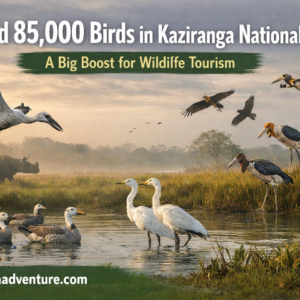
Kaziranga is a paradise for bird lovers. Evening is ideal for birdwatching, as many birds settle back into their nests. Grab your binoculars to spot colourful and unique species up close.
Evening: Sunset Over the Grasslands
A truly serene moment is watching the sun set over the expansive grasslands of Kaziranga. The sky transforms from orange to pink, and the plains glow softly in the fading light. This peaceful moment is perfect for reflecting on your day and soaking in the beauty of the natural surroundings.
Night: Dinner and Cultural Programmes
After sunset, make your way back to your hotel or lodge for a relaxed dinner, which typically features:
- Traditional Assamese dishes
- Simple Indian meals
- Fresh, warm, and wholesome food
Many resorts near Kaziranga also host cultural programmes in the evening, such as:
- Traditional Assamese music
- Folk dance performances
- Storytelling
Enjoying these performances gives you a deeper insight into the local culture and traditions.
Night: Relax and Rest
End your day by relaxing in your room or sitting outdoors under the starry sky. Kaziranga nights are calm, filled with soothing natural sounds. A good night’s rest refreshes you for the adventures or travels that lie ahead.
Best Time to Visit Kaziranga National Park
The best time to visit is from November to April, during which:
- The weather is pleasant.
- Safaris are operational.
- Wildlife sightings are frequent.
The park remains closed during the monsoon season because of heavy rainfall.
Travel Tips for a Perfect Day
- Wear comfortable clothing and shoes.
- Carry sunscreen and a hat.
- Bring binoculars and a camera.
- Follow park rules carefully.
- Respect wildlife and nature
Final Thoughts
From the excitement of early-morning elephant safaris to the quiet beauty of sunsets over vast grasslands, each moment draws you closer to the untouched wilderness.
Kaziranga is more than a destination—it’s a fully immersive experience. Walking alongside one-horned rhinoceroses, spotting rare and colourful birds, and witnessing the balance of grasslands and wetlands create memories that linger long after you leave. Whether you are a wildlife enthusiast, a nature lover, or someone seeking peace and reflection, this exceptional park provides a unique opportunity to connect deeply with nature.