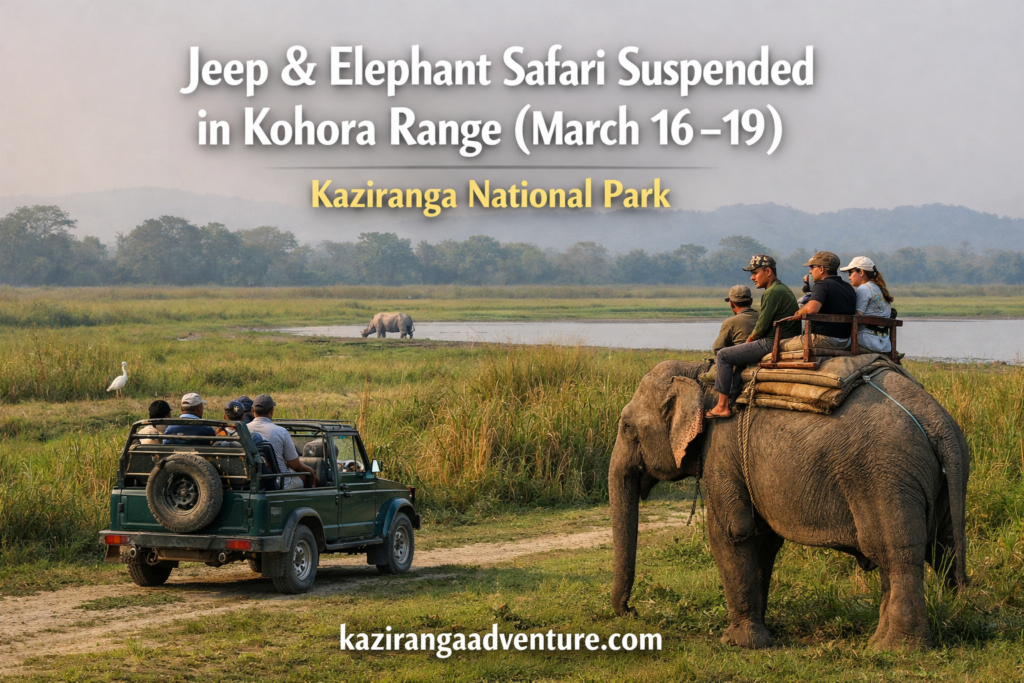
Tourism activities in the popular Kohora (Central) Range of Kaziranga National Park have been temporarily suspended from March 16 to March 19. This update is important for travelers planning a Kaziranga safari during this period.
According to an official notice issued by the forest department, both jeep safari and elephant safari in Kaziranga Kohora Range will remain closed for four days due to unfavorable weather conditions and administrative reasons. Authorities have taken this step as a precautionary measure to ensure the safety of visitors and park staff.
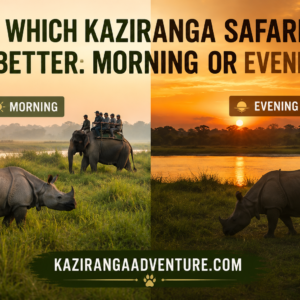
Jeep & Elephant Safari Suspended in Kohora Range
Why Safari is Suspended in Kohora Range?
The decision to suspend tourism activities in Kaziranga National Park has been taken mainly due to:
- Sudden weather changes
- Safety concerns for tourists
- Administrative management requirements
During such conditions, safari routes can become unsafe, especially in grassland and wetland areas. The forest department regularly monitors the situation and takes necessary action to prevent any risk to wildlife tourists.
This temporary halt in Kaziranga safari operations will also allow park authorities to manage the area effectively during this period.
About Kohora Range in Kaziranga
The Kohora Range, also known as the Central Range, is one of the most visited zones in Kaziranga National Park. It is famous for its high chances of wildlife sightings and easy accessibility for tourists.
Visitors exploring this range often spot:
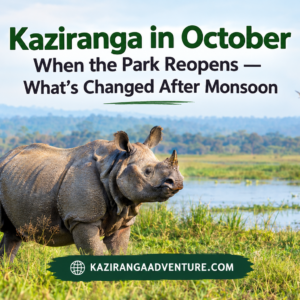
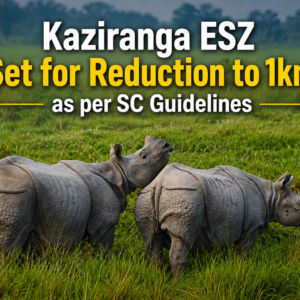
- One-horned rhinoceros
- Asian Elephant
- Wild water buffalo
- Deer species like hog deer and swamp deer
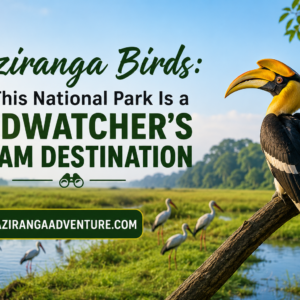
- A variety of birds
Because of its rich wildlife presence, the Kohora Range remains the top choice for those planning a wildlife safari in Kaziranga National Park.
Impact on Tourists
This temporary suspension may affect travelers who had already planned their Kaziranga National Park safari between March 16 and March 19.
Tourists visiting during this period are advised to:
- Check the latest updates from park authorities
- Contact their tour operators before travel
- Plan alternative travel dates if possible
Although the Kohora Range is closed, visitors may still explore nearby areas or adjust their travel plans based on availability and weather conditions.
When Will Safari Resume?
According to officials, safari services in Kaziranga National Park are expected to resume after March 19, depending on weather improvement and administrative clearance.
The forest department will review the situation and reopen the Kaziranga jeep safari and elephant safari services once it is safe for both visitors and wildlife.
Importance of Safety Measures in Wildlife Tourism
Temporary closures like this are a common practice in wildlife reserves. The priority of forest authorities is always the safety of tourists and protection of wildlife.
Kaziranga National Park is a UNESCO World Heritage Site, known for its unique ecosystem of grasslands, wetlands, and forests. It is home to the world’s largest population of the one-horned rhinoceros and supports species like the Bengal Tiger and elephants.
Maintaining this ecosystem requires careful planning, especially during bad weather conditions or operational challenges.
Travel Tips for Visitors
If you are planning a Kaziranga National Park trip, here are some helpful tips:
- Always check safari availability before booking
- Avoid last-minute travel during uncertain weather
- Keep buffer days in your itinerary
- Follow official guidelines and instructions
Being flexible with travel plans can help you enjoy a better and safer wildlife experience.
Conclusion
The temporary suspension of jeep and elephant safari in Kaziranga Kohora Range from March 16 to March 19 is a precautionary step taken by authorities to ensure safety and proper management.
While this may cause short-term inconvenience for tourists, such decisions are essential for maintaining the balance between tourism and wildlife conservation in Kaziranga National Park.
Visitors are advised to stay updated and plan their trip accordingly to enjoy a smooth and memorable safari experience once operations resume.